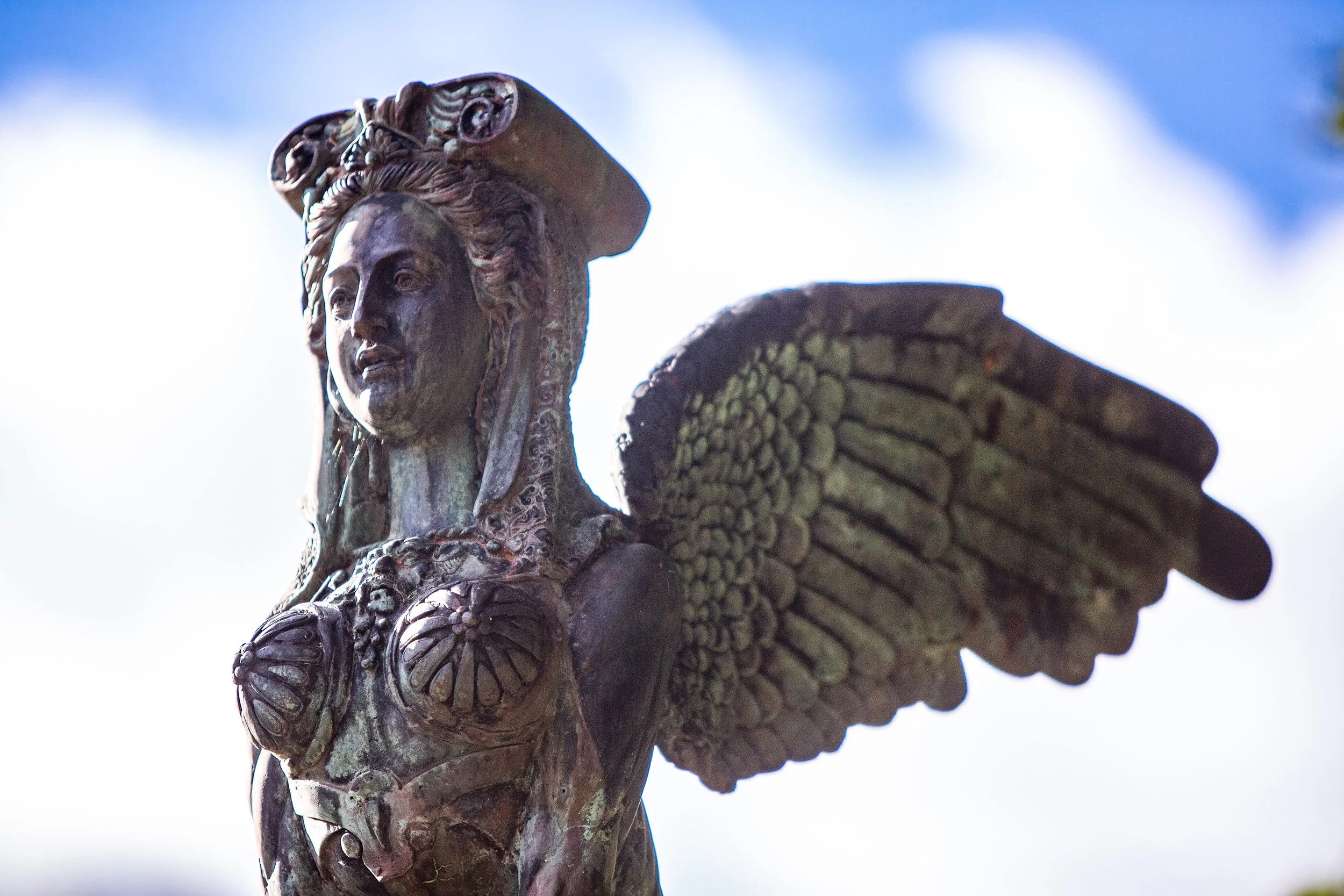
The answer to the riddle of the sphinx:
The six exhibits highlight the scientific and meaningful way of looking at art: They present the two components of the unconscious an emotional dialectic leading to four types of conflict resolution.
Art as Evidence of Science
Welcome to the Museum of the Creative Process, where art and science come together to reveal the hidden order of the human mind.
Here, creativity is not merely expression — it is evidence. Every canvas, sculpture, and story illustrates the same unconscious mechanism by which the mind resolves conflict, restores balance, and gives birth to moral understanding.
Conceived by Dr. Albert Levis, the Museum explores the Formal Theory of Behavior, which identifies the creative process as a natural science phenomenon — a six-stage emotional sequence transforming stress into harmony, conflict into compromise, and suffering into wisdom.
Across six complementary exhibits, visitors journey from myth to science, from personal introspection to collective enlightenment. The Museum invites you to experience psychology as the science of conflict resolution, and art as its living proof.

EXHIBITIONS
The Sculptural Trail

A walking-trail of outdoor sculpture exploring the evolution of love, religion and conflict-resolution across cultures.
This outdoor exhibit invites visitors to journey through a sculptural timeline of relational and moral development. Large-scale installations representing Greek, Mexican, and Abrahamic traditions lead into abstract symbolic works capturing the evolution of human conflict resolution.
The Trail visualizes the core premise of the Formal Theory of Behavior:
👉 That creativity mirrors the scientific conflict-resolution process.
-

Paradigm Shift: The plot of stories
The exhibit presents the fairy tale as a conflict that progresses to conflict resolution highlighting the nature of the plot of stories as a phenomenon, accounted for by two scientific phenomena of energy and attitude transformation.
-
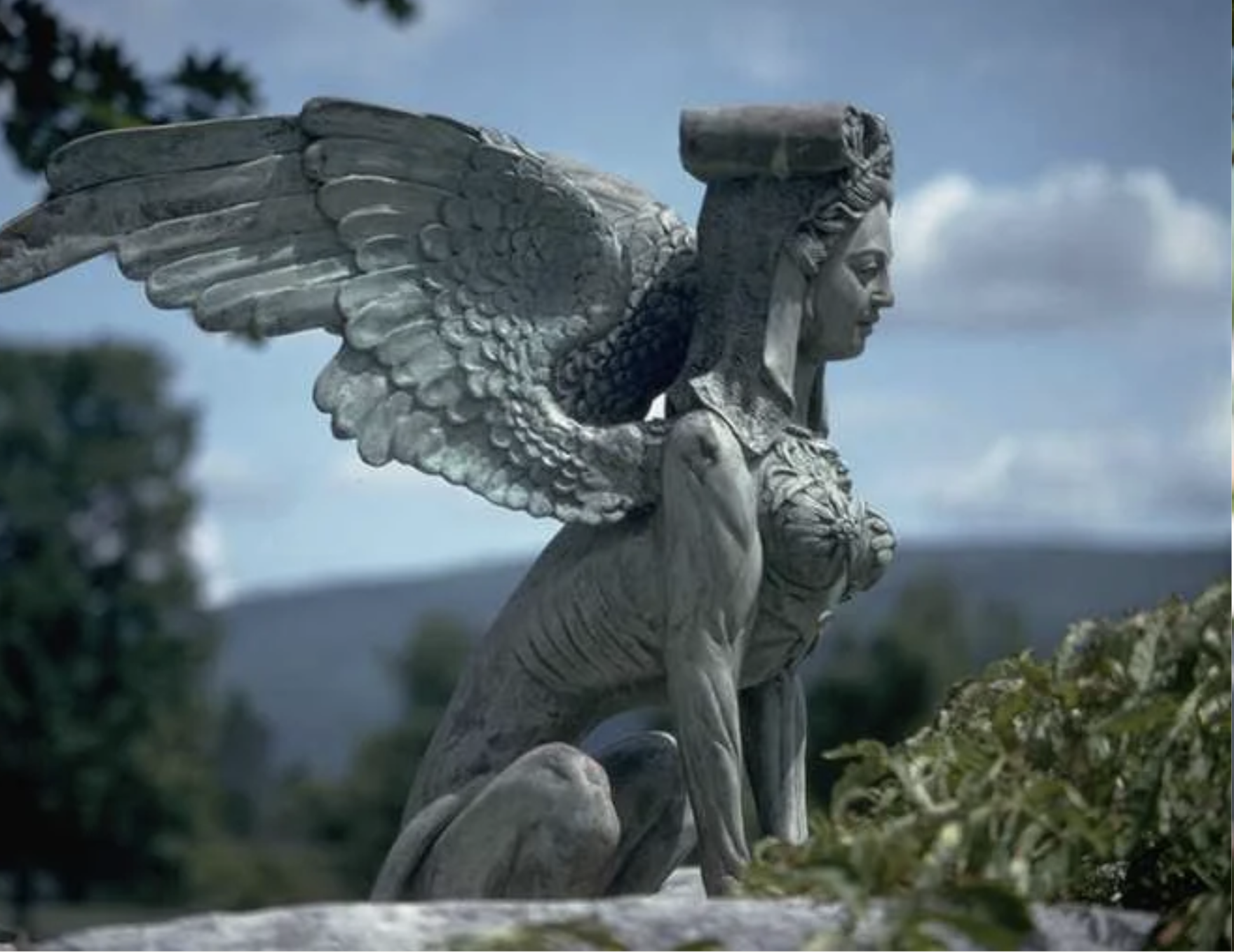
Epics of the Goddess
This exhibit illustrates the universal emotional transformation process—six stages guided by three formal operations—showing how relationships evolve toward fairness, cooperation, and mutual respect.
-
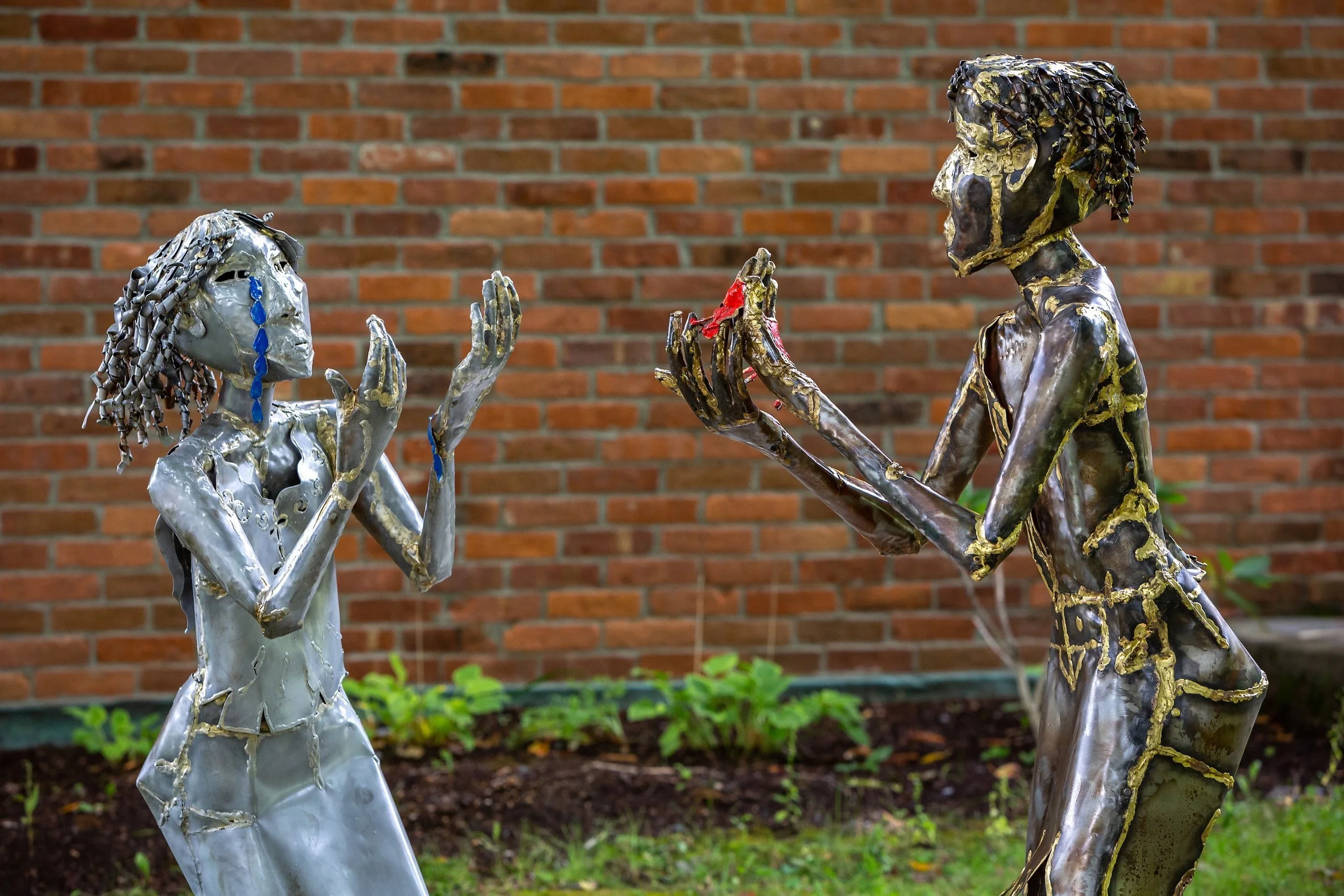
Four cultures four modalities
The four relational modalities are illustrated by four civilizations that discovered them. They modalities evolved improving the family institution.
-
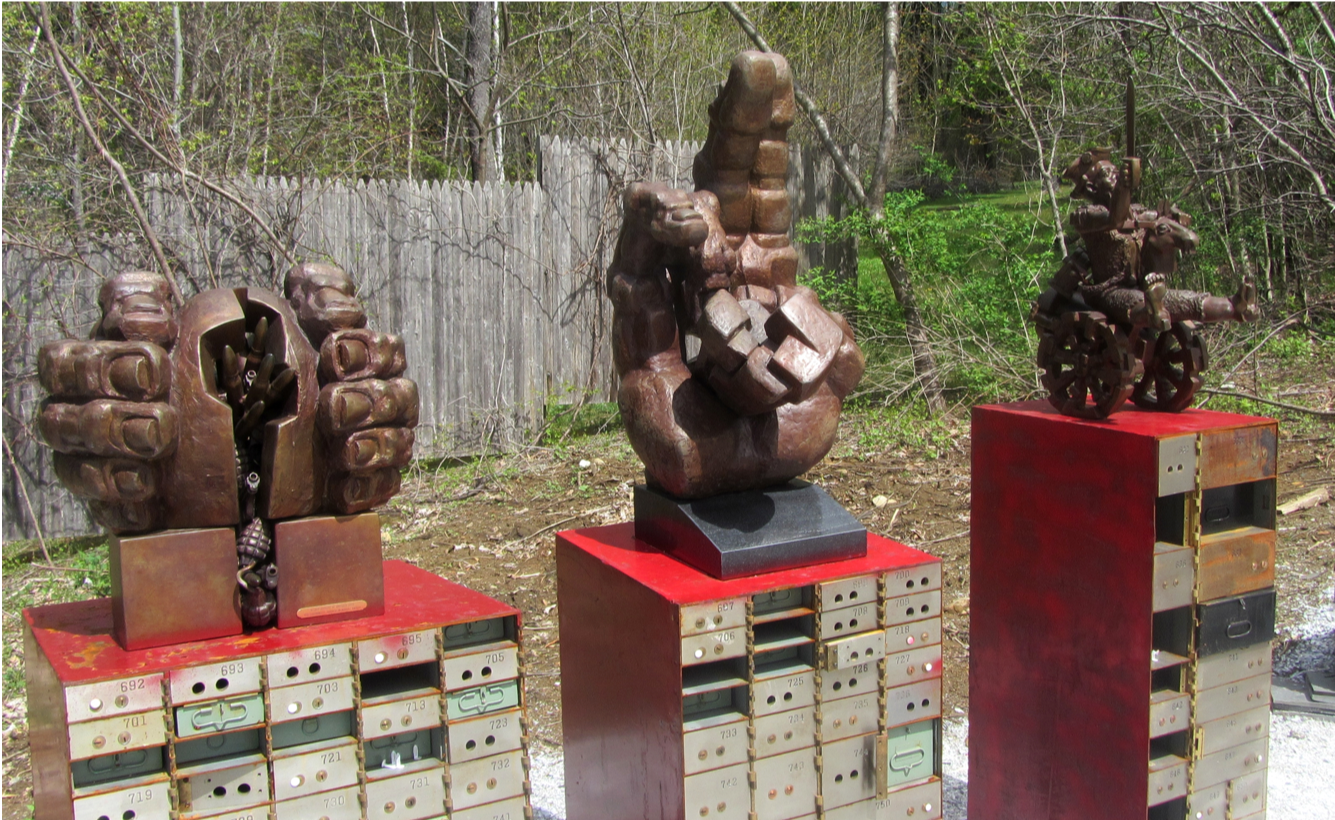
Holocaust Memorial
What we learn from history
-
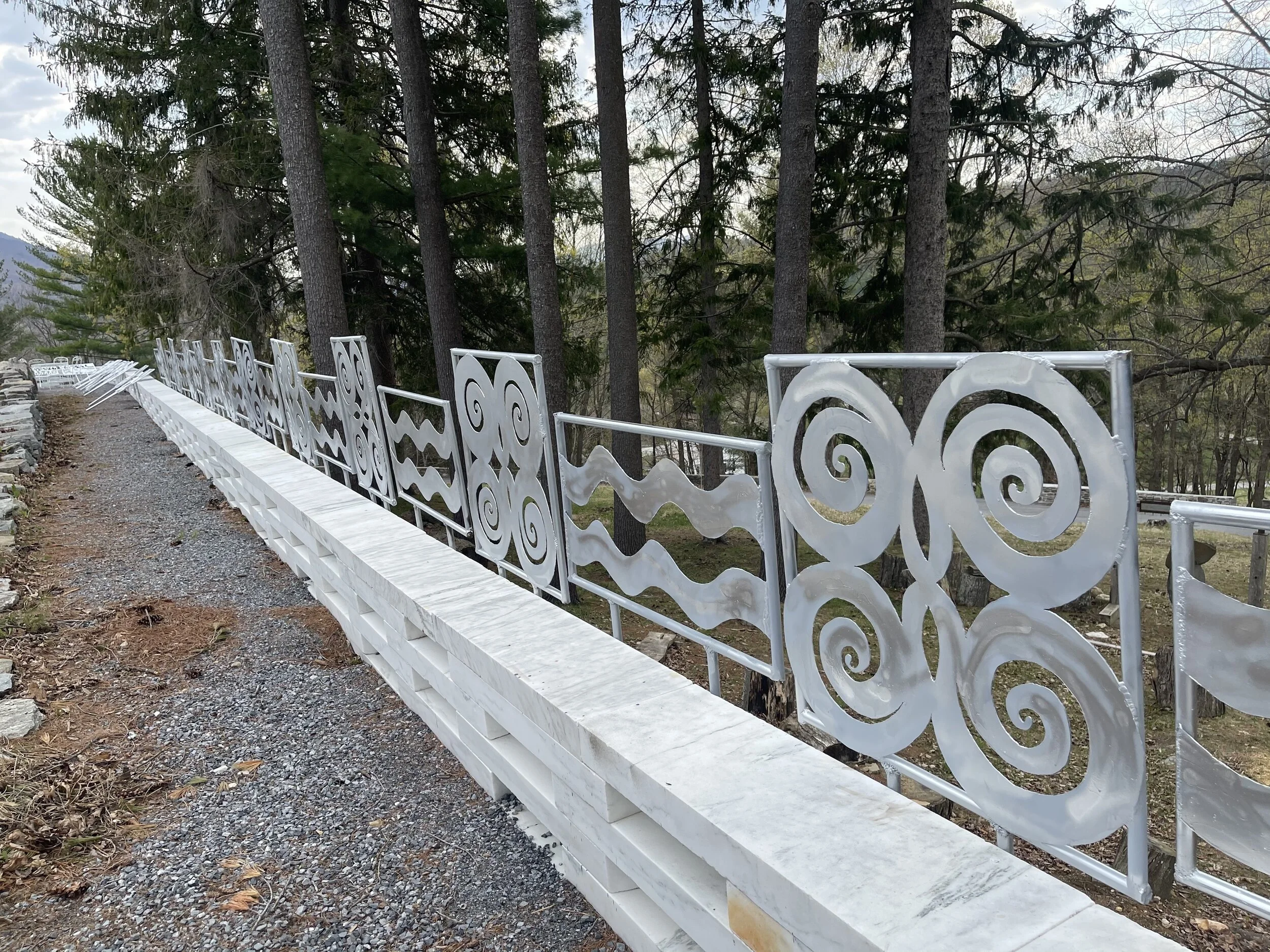
The creative process
The skeleton of the creative process, syndrome and four modalities
-
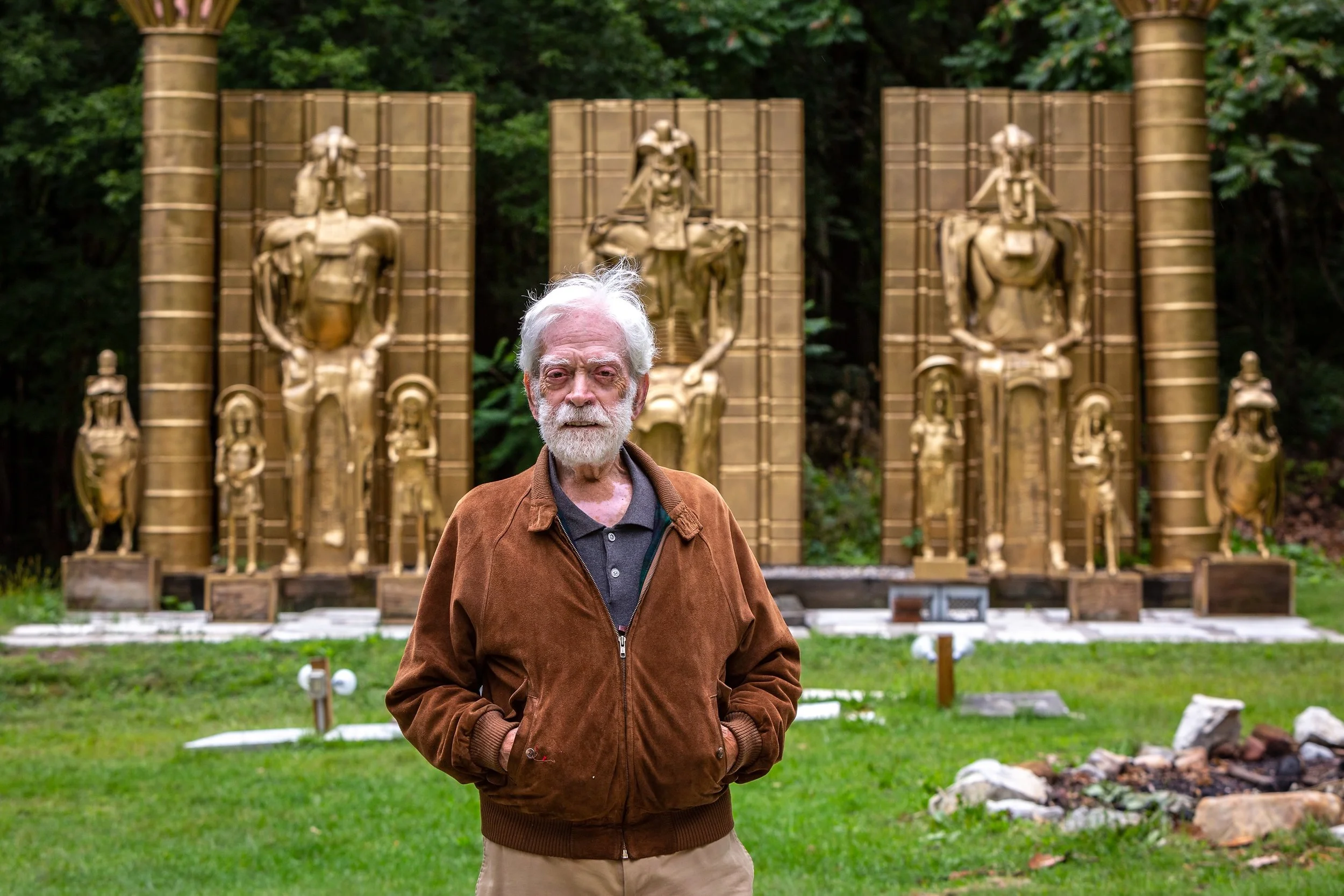
Dr. Albert Levis Personal Collection
Theme: The Inspirations Behind the Paradigm
-

The Wizard of Oz Panels
Theme: The Psychology of Self-Discovery
-
The Metaphoria Murals
Theme: The Science of Conflict Resolution
-
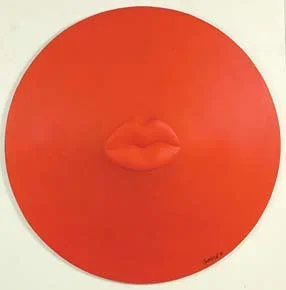
The Henry Gorski Retrospective
Theme: The Artist’s Journey Toward Wholeness
-
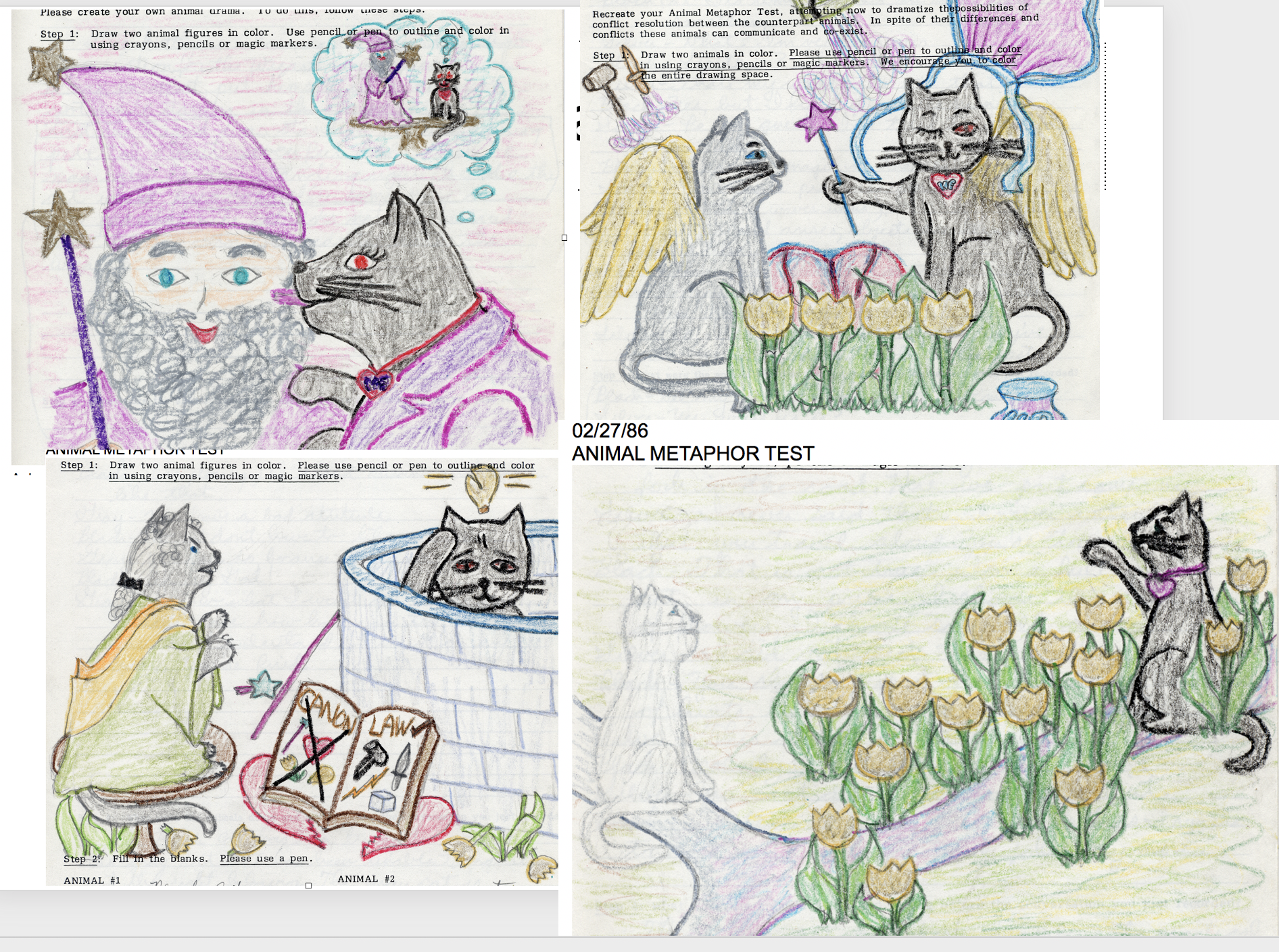
The Case Study Murals: Creativity for Self-Discovery
Theme: Emotional Education and Healing
-
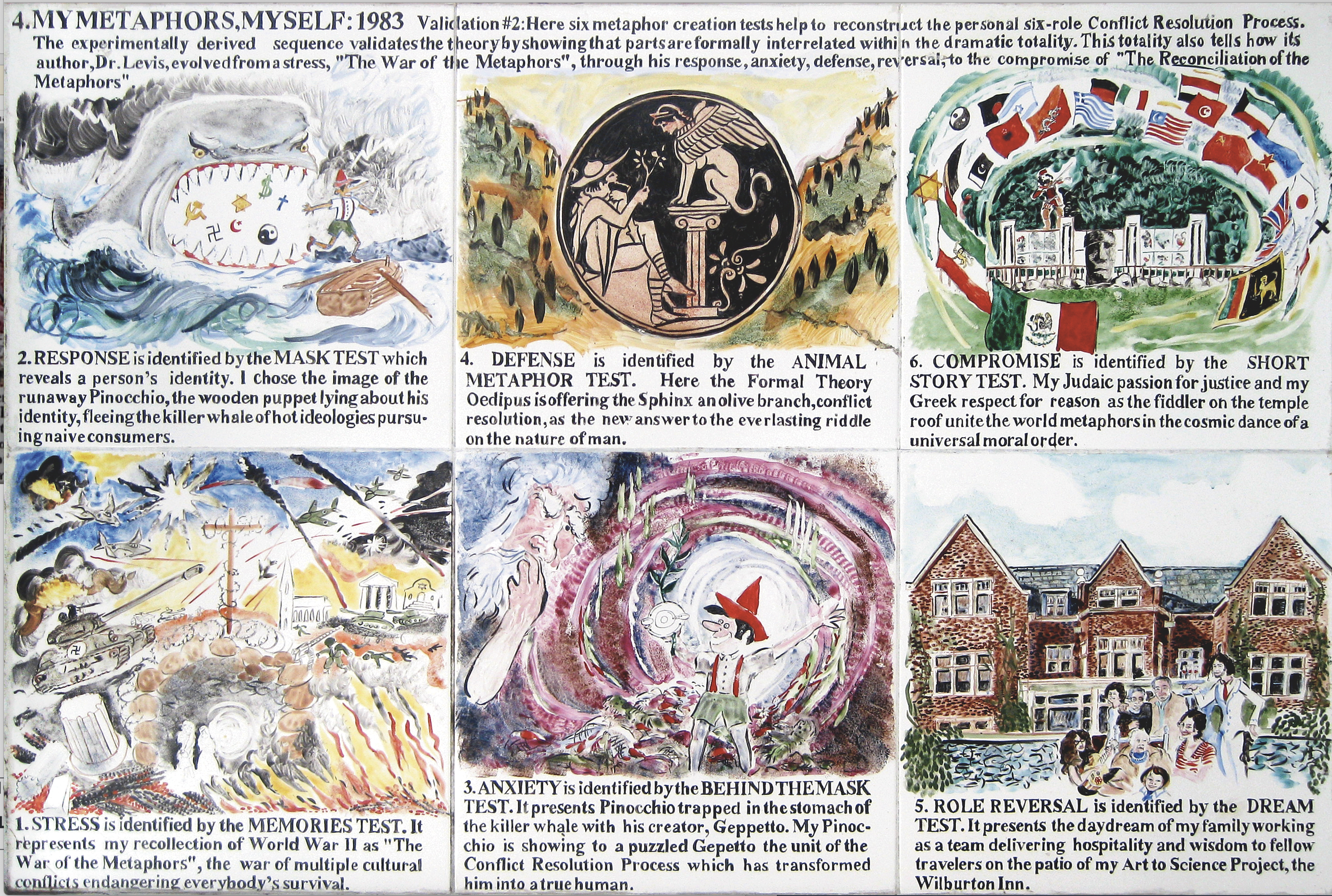
Case study murals
Conflict Analysis Battery’s case studies
