Four cultures as four modalities
Four cultures are presented as a continuum of the four relational modalities, each reflecting an alternative way of resolving conflict:
Matriarchy embodies Submissive Antagonism; Greek Patriarchy represents Dominant Antagonism; India’s Ganesha story illustrates Submissive Cooperation; and Judea’s Monotheism expresses Dominant Cooperation.
We are presenting in detail the Iliad and the Odyssey as the drama of the vows resolving the conflicts of patriarchy.
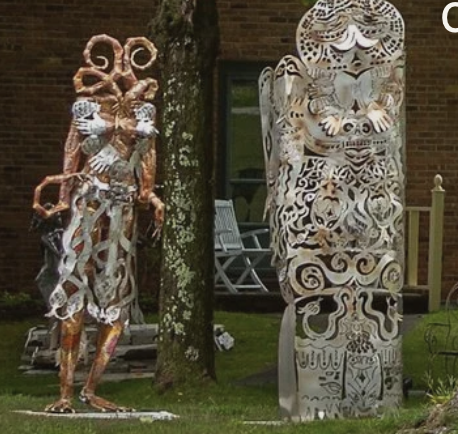
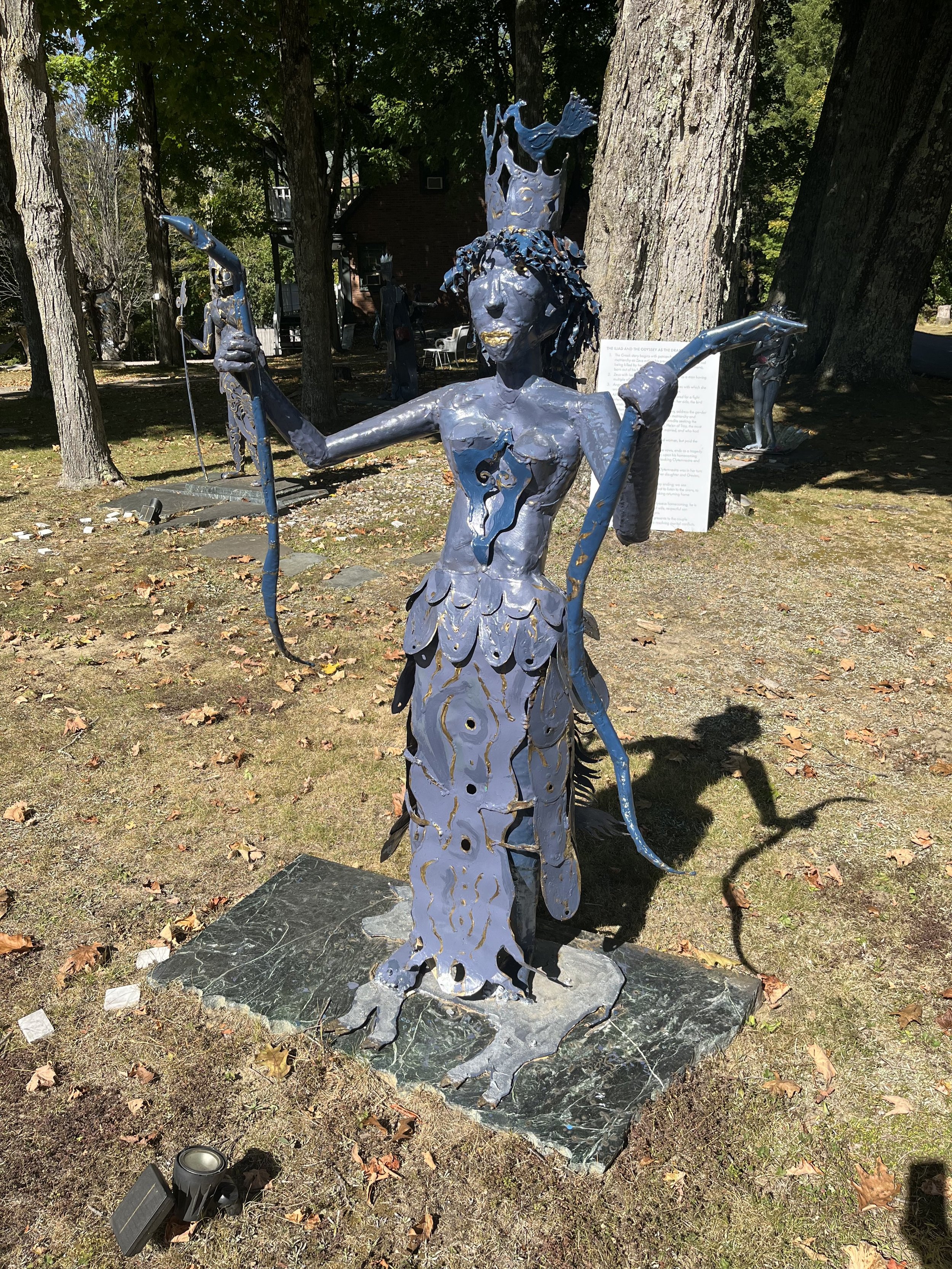
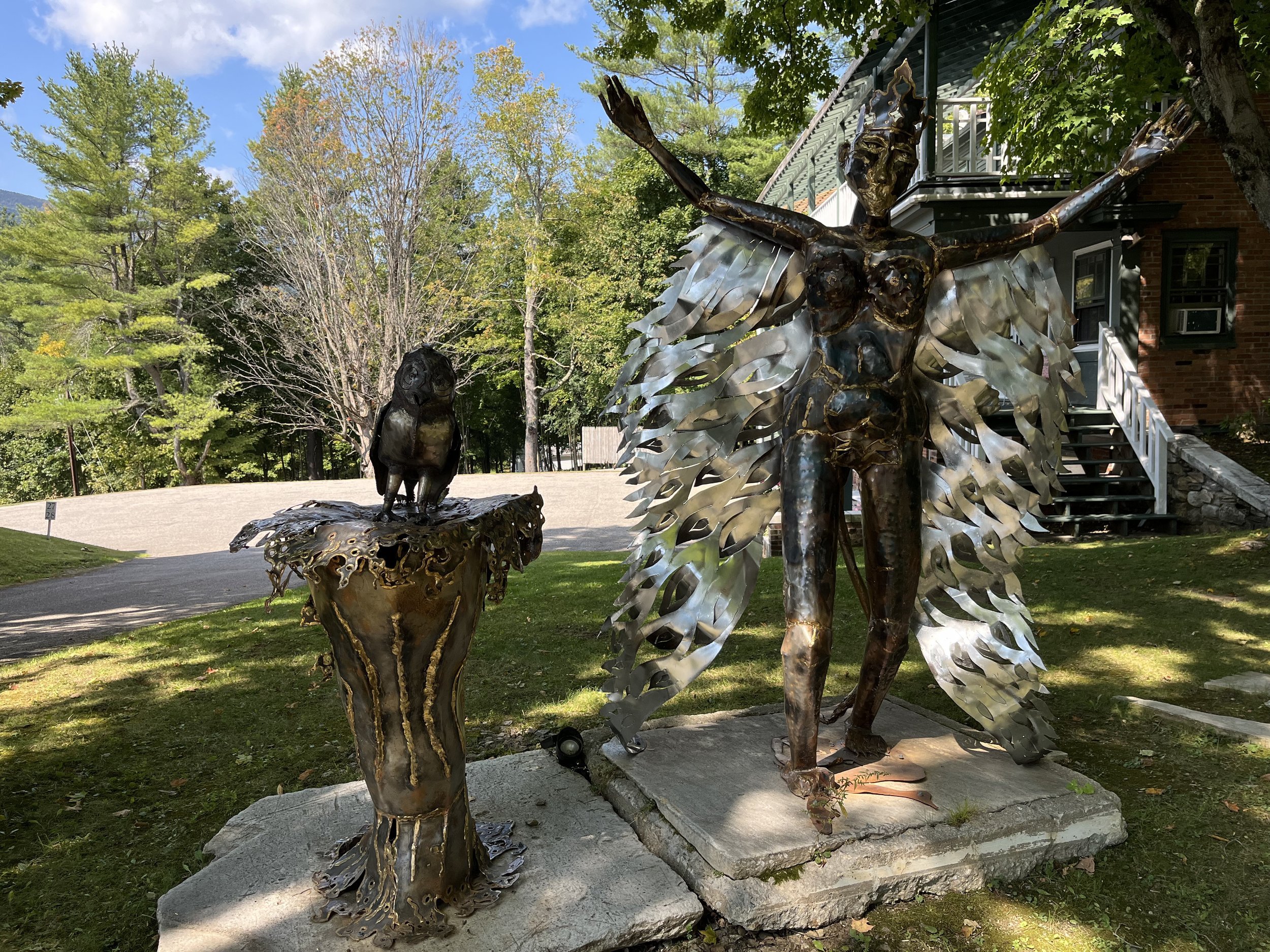
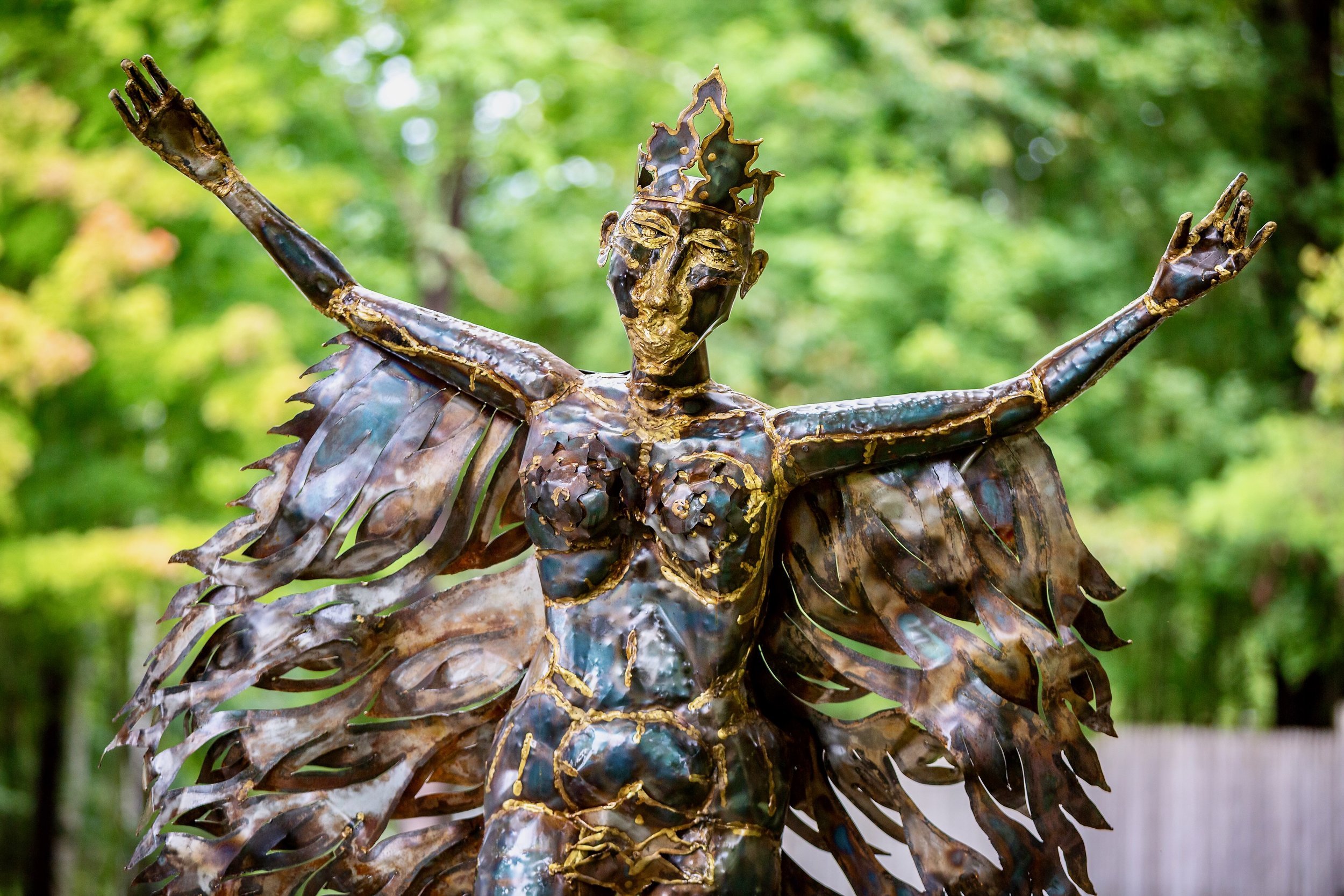
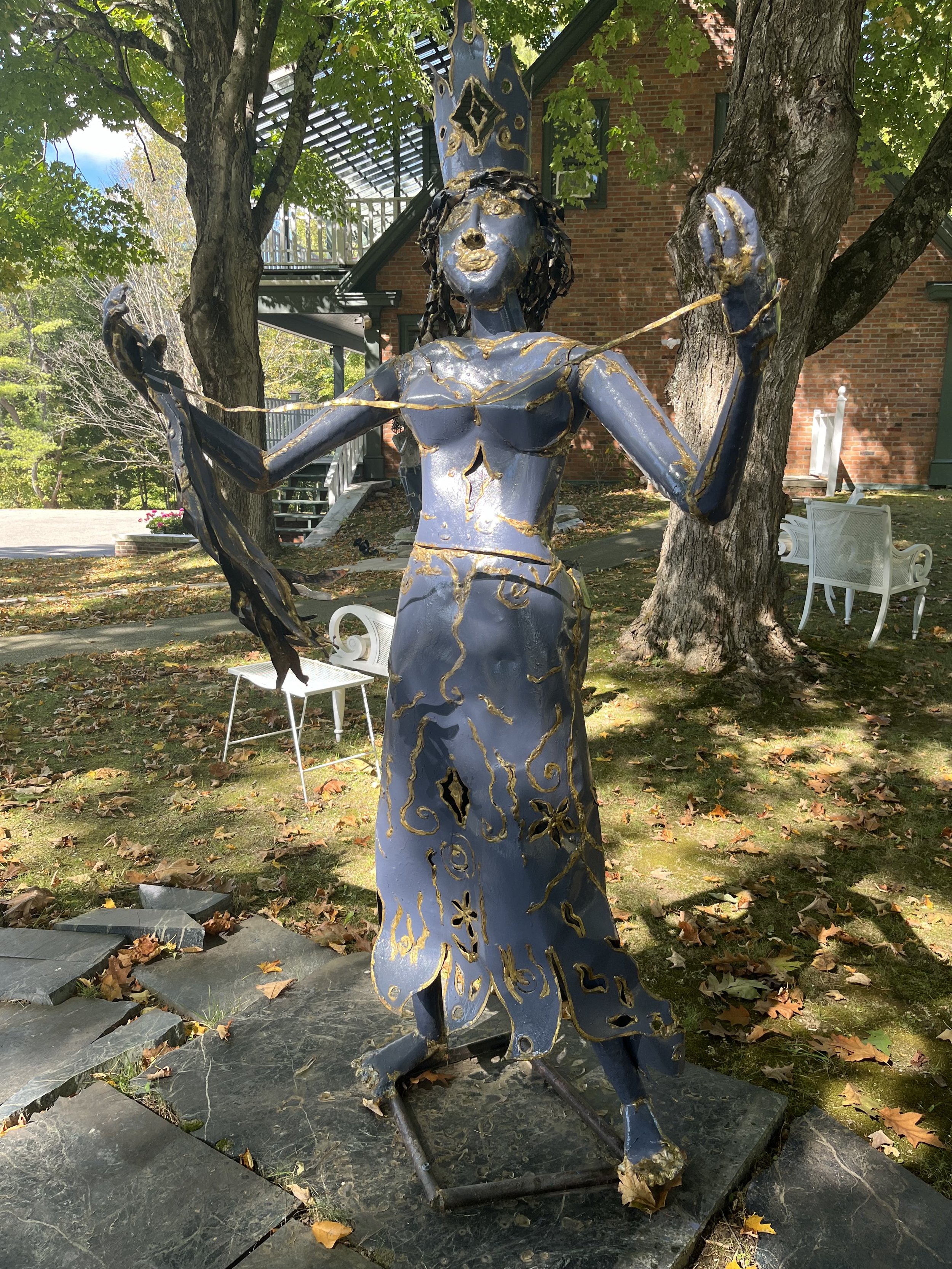
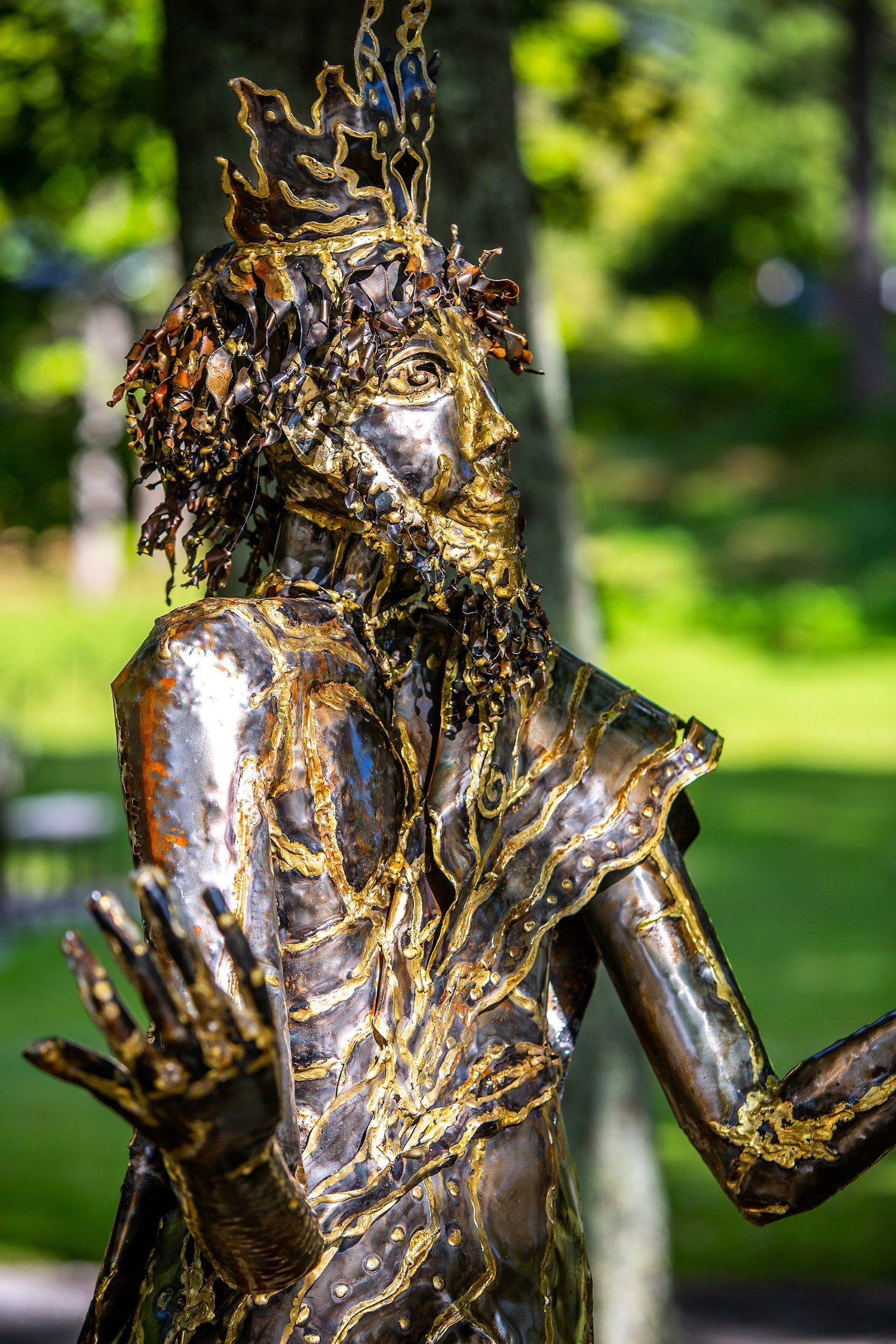
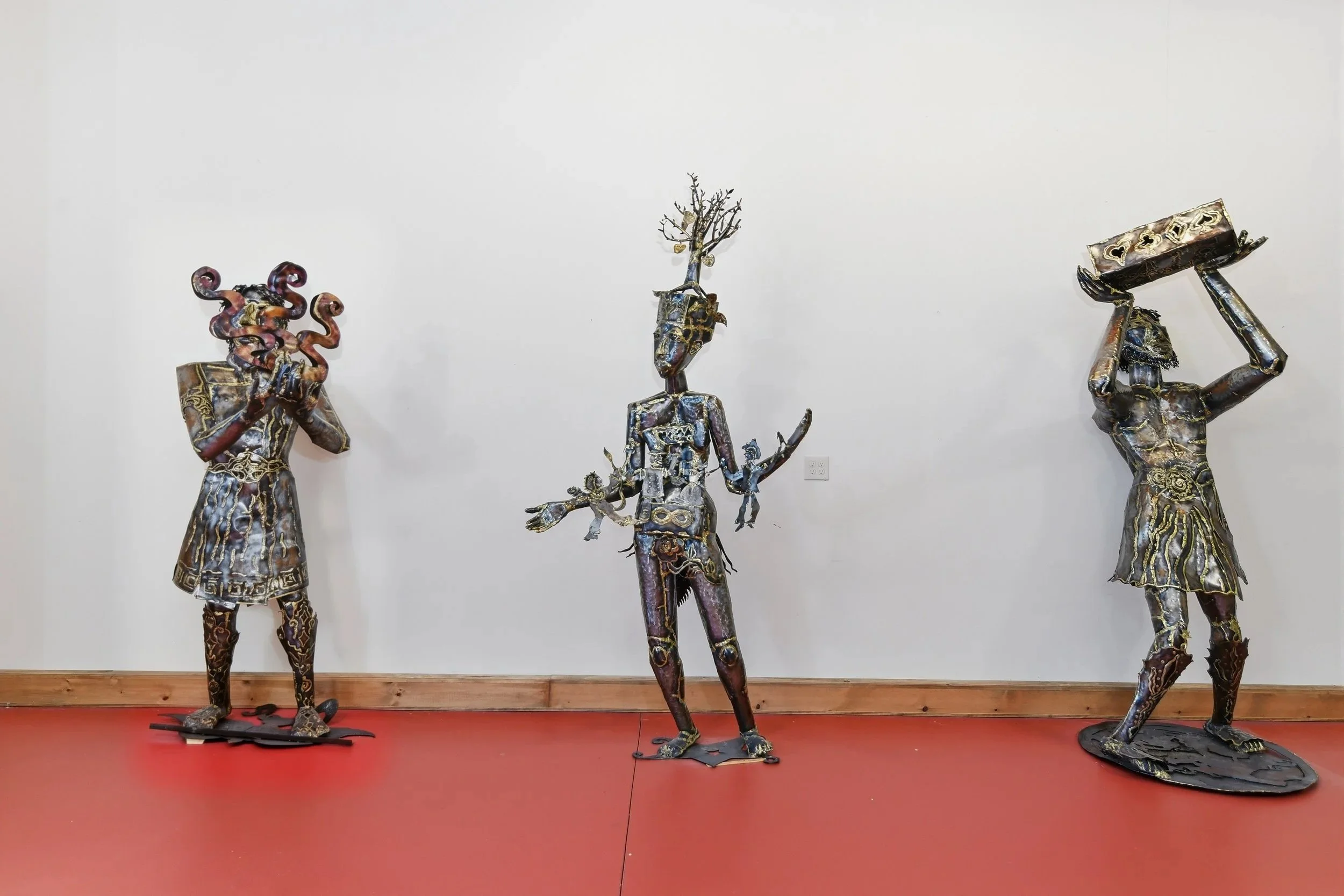
Quatlique like Medusa is the goddess of Matriarchy. Both goddesses are full of snakes. The Aztec goddesses has her son kill her daughter, her rival. She is afraid of her as her rival. Both sculptures are by Piper Strong.
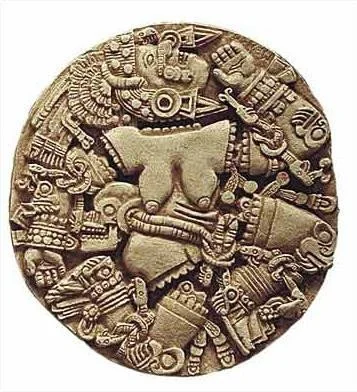
Coyolxāuhqui led her brothers in an attack against their mother, Cōātlīcue, when they learned she was pregnant, convinced she dishonored them all. The attack is thwarted by Coyolxāuhqui's other brother, Huītzilōpōchtli, the national deity of the Mexica.
Submissive Antagonism:
Avoids confrontation but harbors resistance internally. Appears compliant yet expresses conflict indirectly—often through withdrawal, passive resistance, or silent judgment.
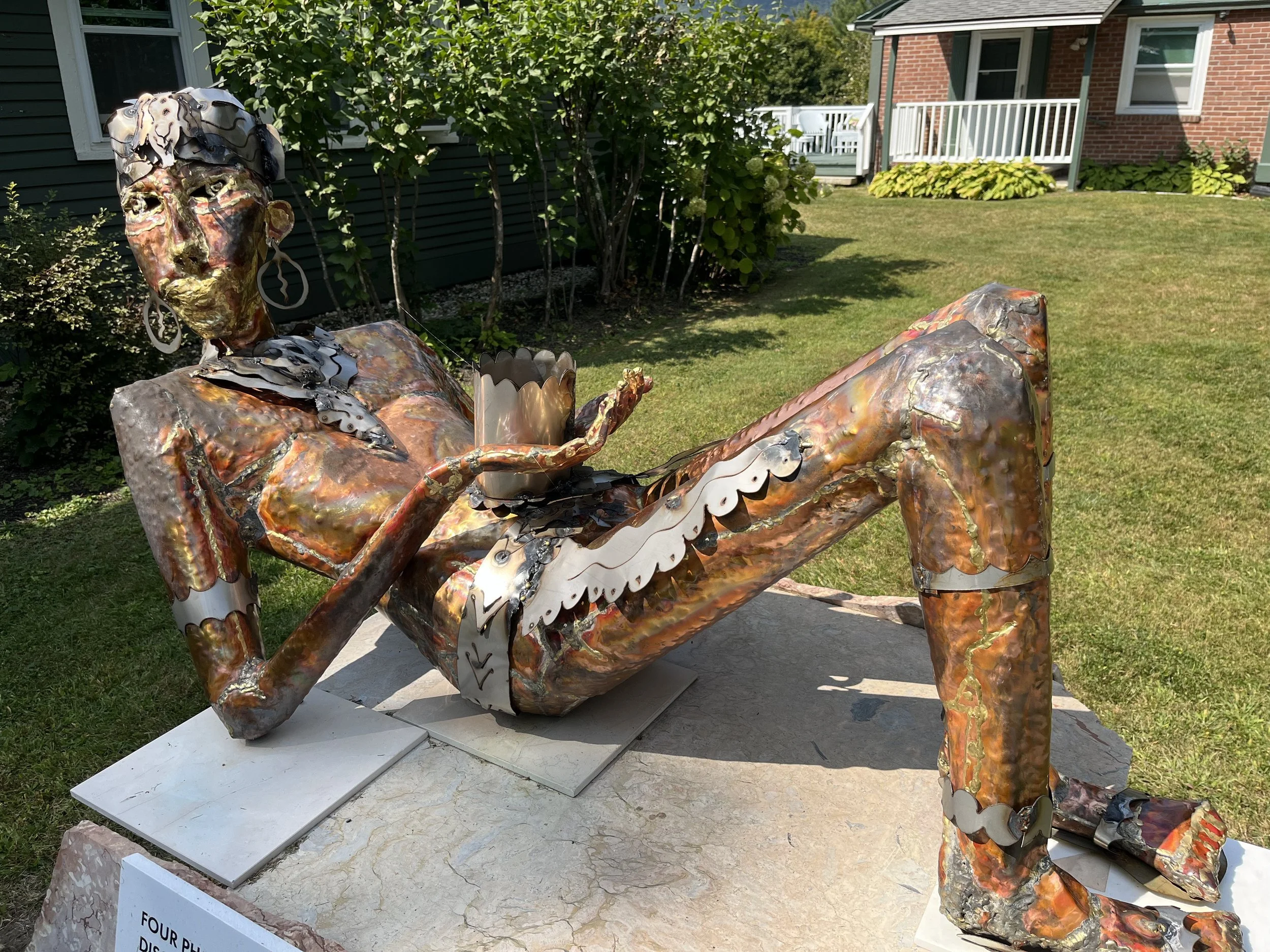
Chac Mol is the reclining sculpture found atop pyramids, holding a bowl onto which priests would place the bleeding heart of a sacrificial victim. This ritual—meant to appease Mother Earth—was believed to prevent the Fifth Destruction of the universe, as foretold by the Aztec Calendar.
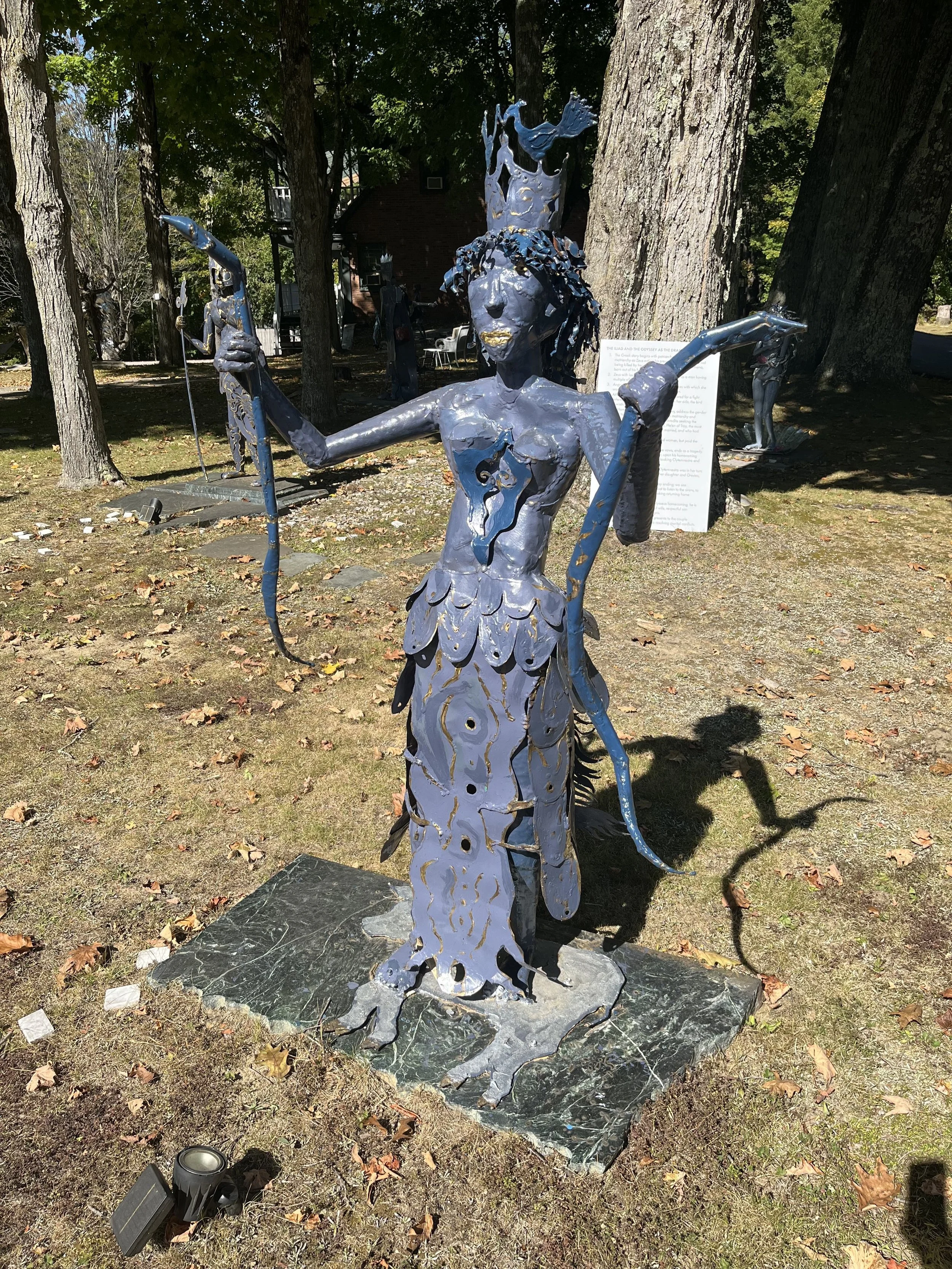
Hera was mad at Zeus. She placed two snakes in the crib of Hercules, his child from another woman. She also transformed Ios, his mistress, into a cow and gave 100 eyes to her husband, Argos panoptes, to watch over her.
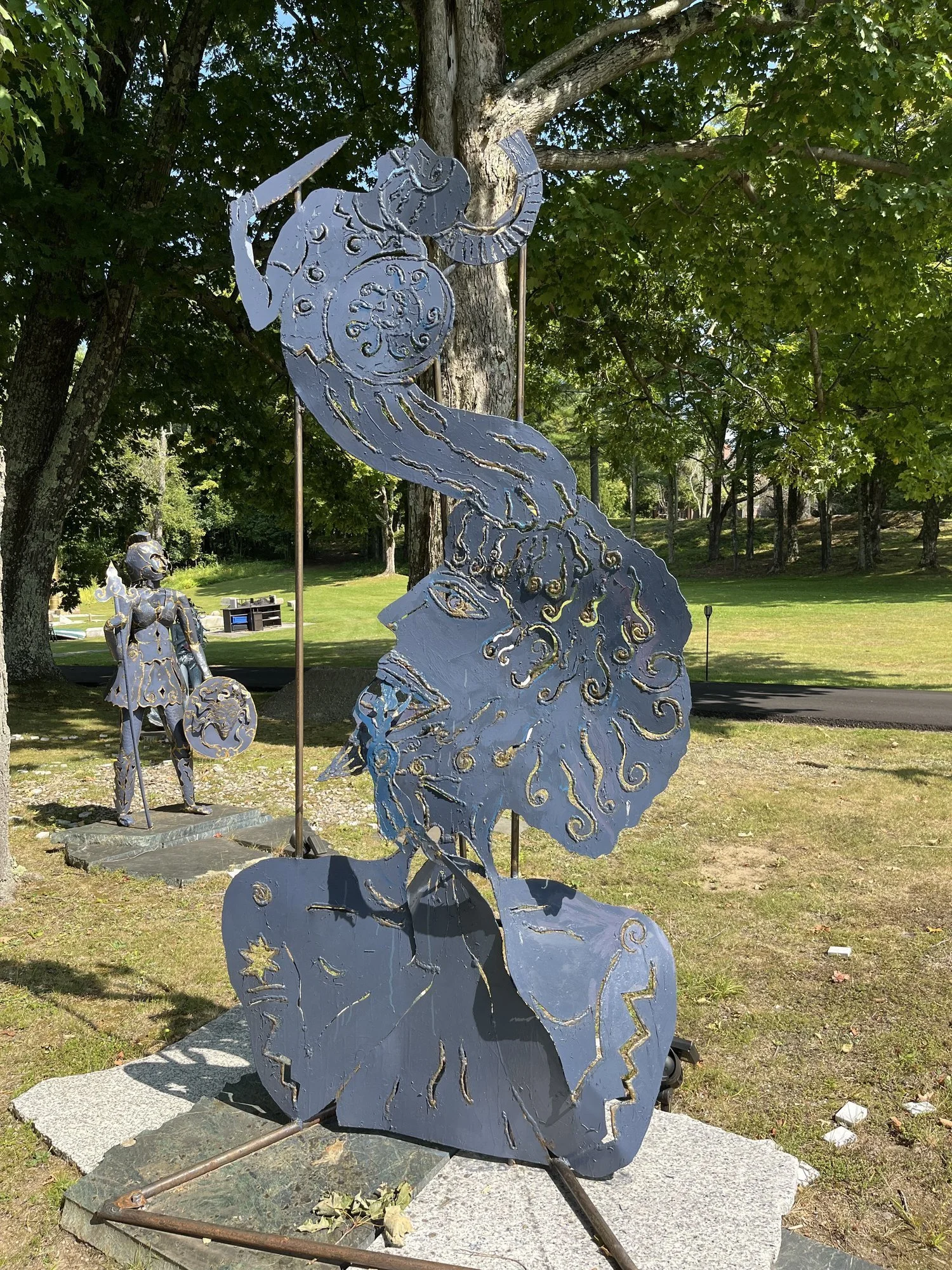
Zeus afraid of his wife potentially killing him with her son swallowed pregnant Metis, Zeus gave birth to Athena, born out of his head, nearly killing him.
Dominant Antagonistic
Approaches conflict through control and opposition. Expresses power forcefully, often through argument or confrontation, seeking to win rather than collaborate.
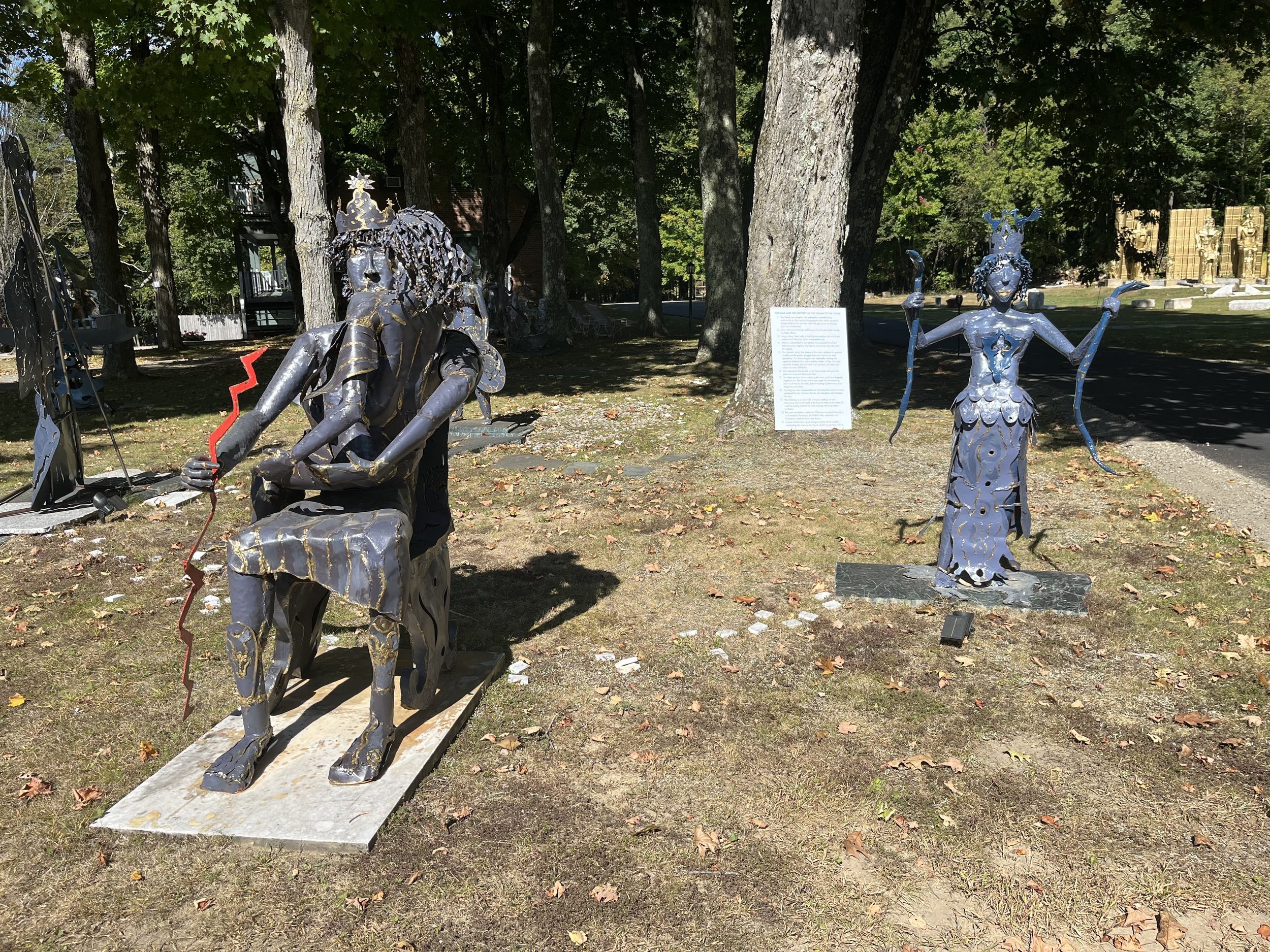
Zeus with Ios on his lap, defining patriarchy as a man having multiple affairs. Angry Hera, Zeus’ wife, is holding two snakes with which she wants to kill Hercules, Zeus’ extramarital

Aphrodite,.
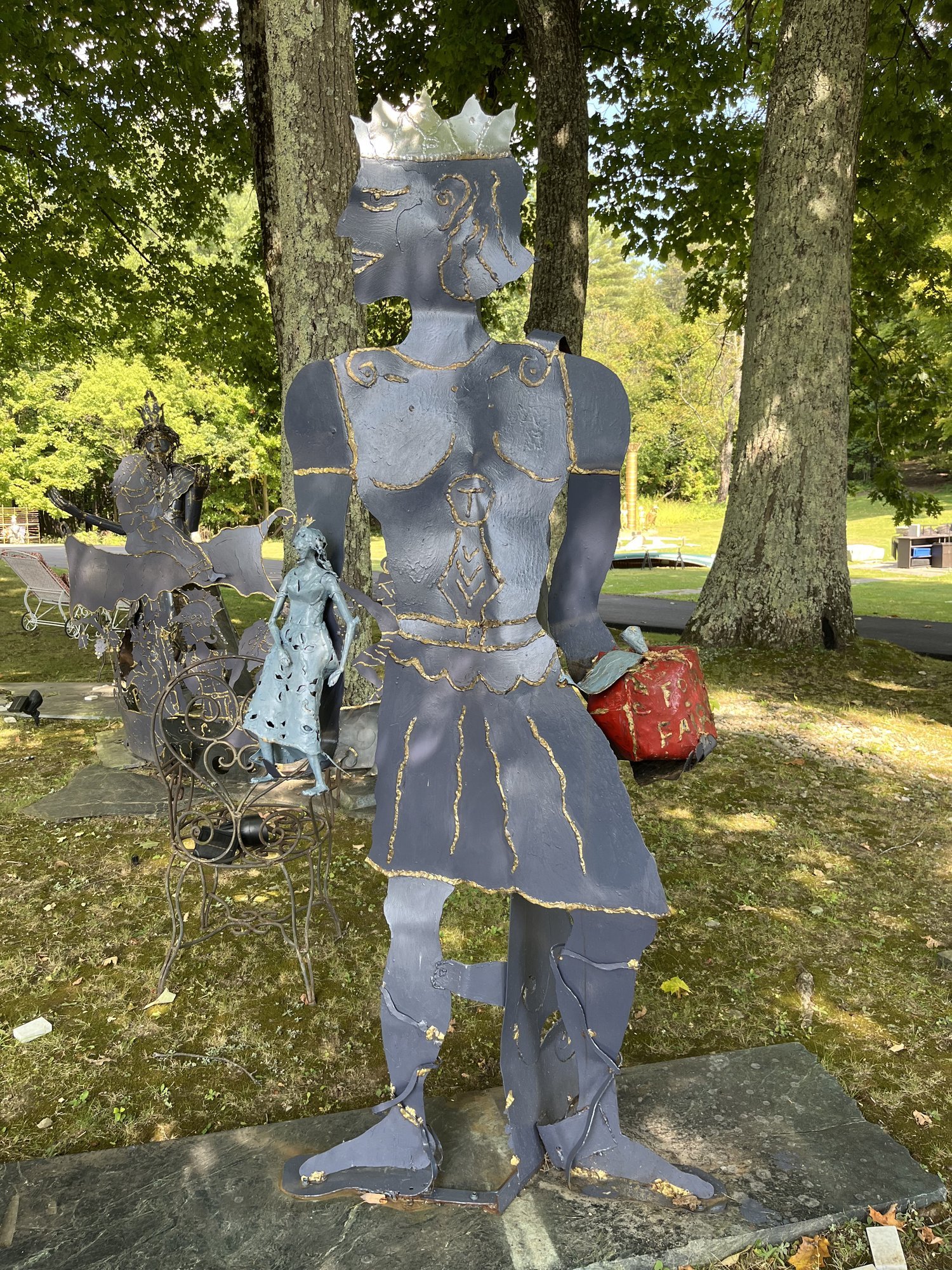
The Homeric drama begins with Aphrodite seeking the apple inscribed to the fairest. To win the apple the goddess offered Paris Helen of Troy. She did not tell him that she was married and that she had taken the vows of loyalty. Helen’s departure provoked her husband, Menelaus to start the War of Troy.
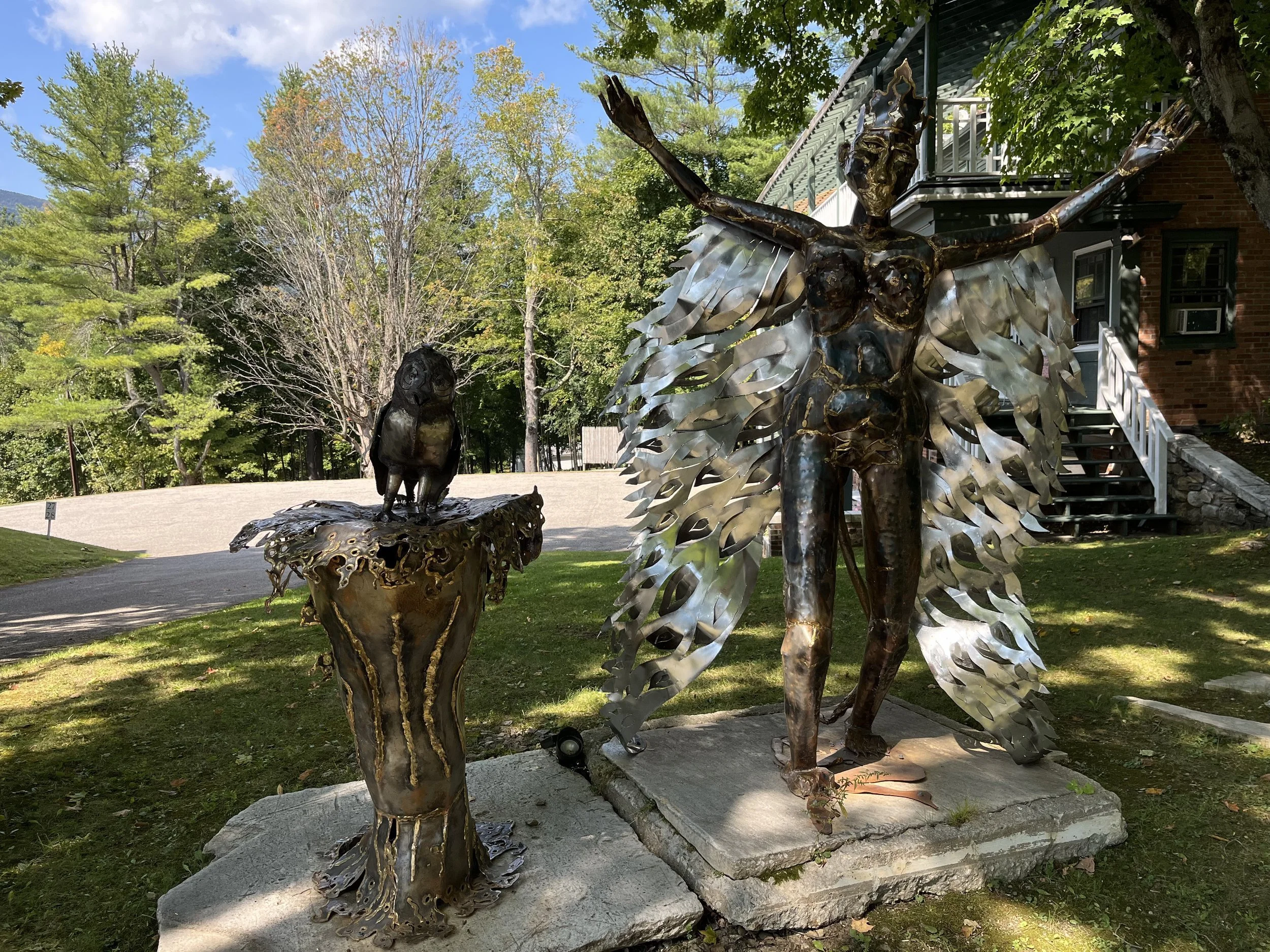
Clytemnestra presented as a Sphinx.
The Iliad, an epic about violating the vows, ends as a tragedy. Agamemnon, the leader of the war, upon his homecoming was murdered by his wife, Sphinx-looking Clytemnestra and Aegisthus, her lover.
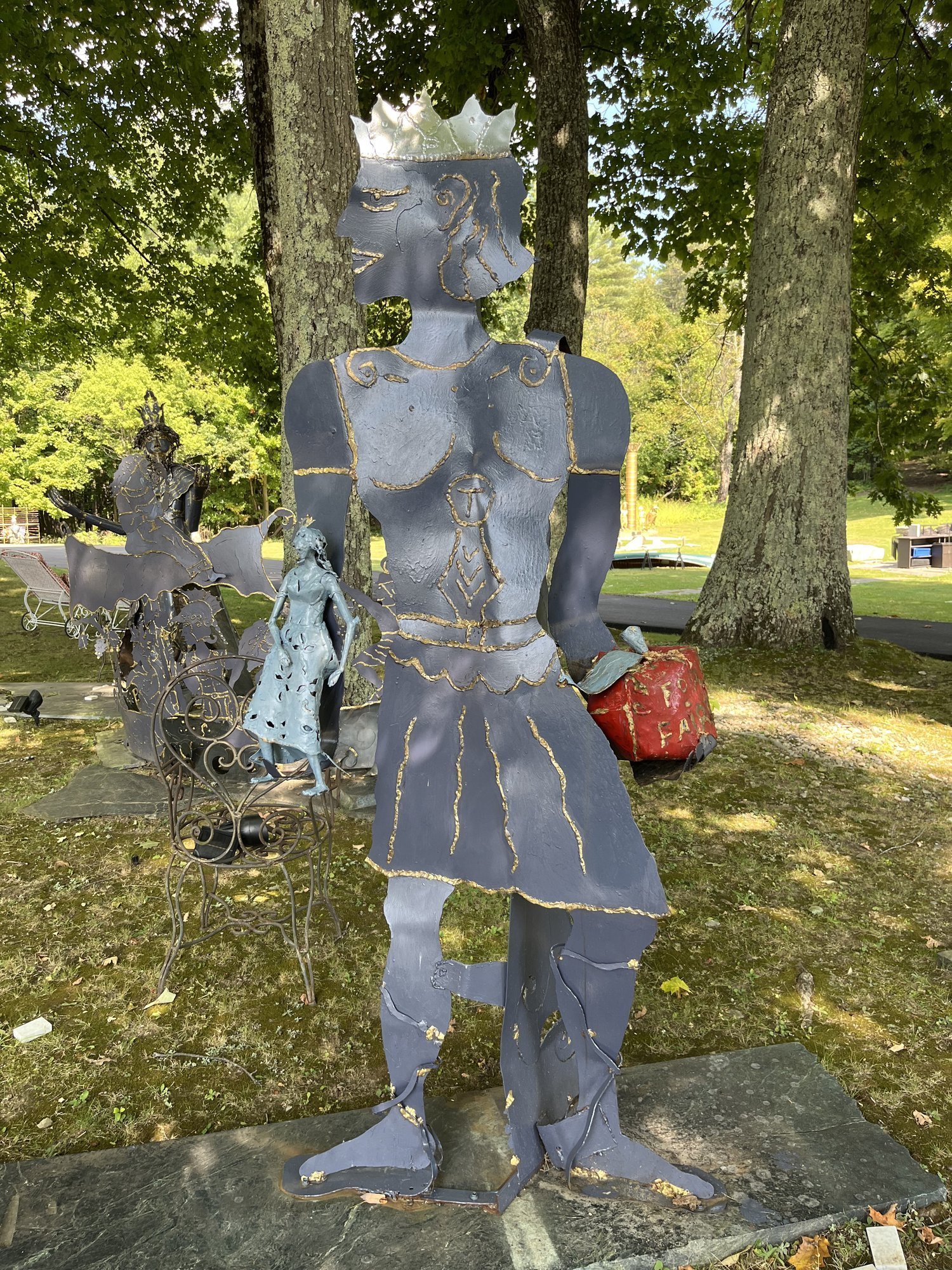
Paris with the apple for the fairest.
Ares the god of war tossed an apple to three godesses in a party. The apple was inscribed to the fairest, symbol of antagonism, creating a conflict between the goddesses. Paris is judging the women giving it to Aphrodite, who bribed him to be loved by the most beautiful woman, Helen of Troy.
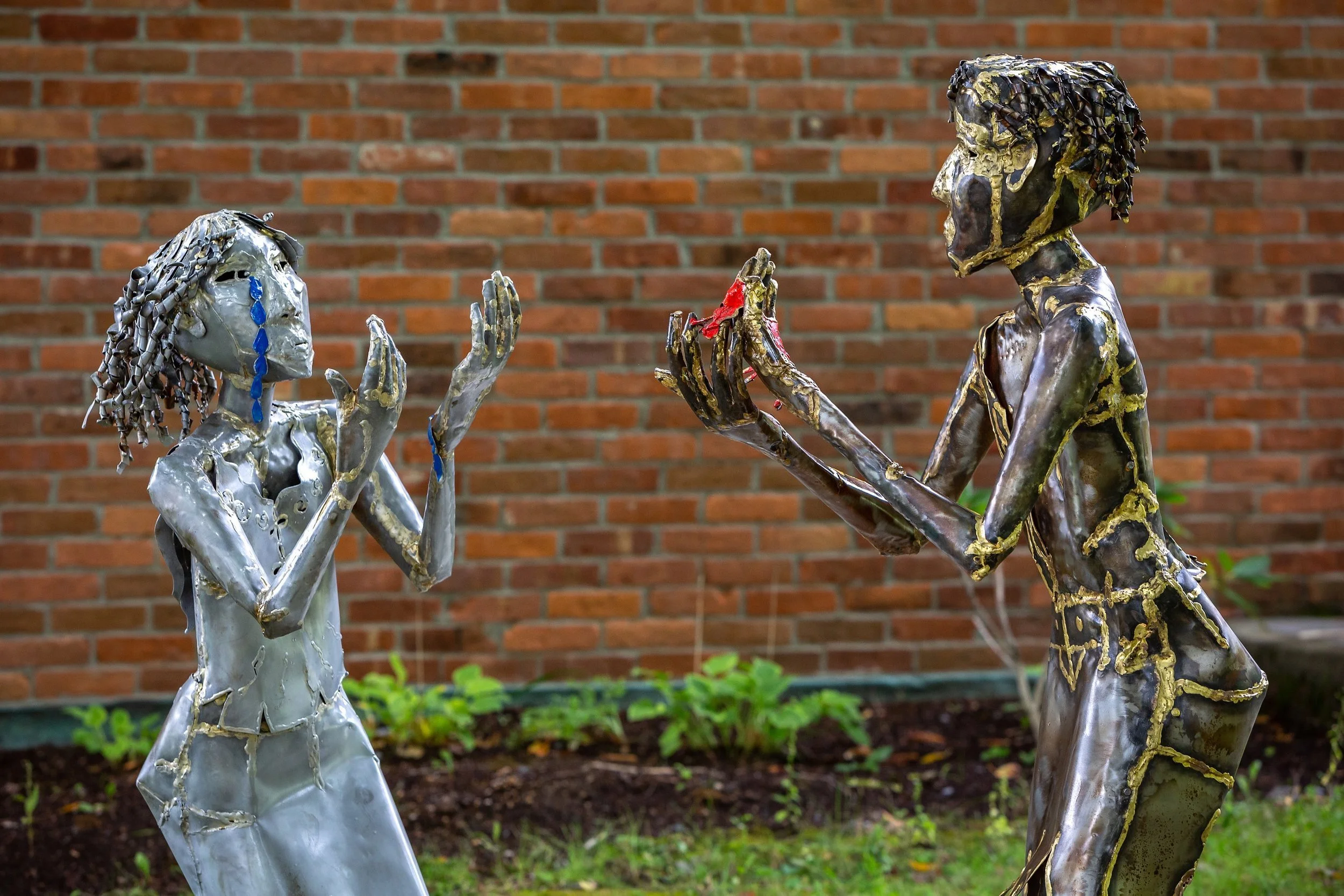
Orestes and Electra
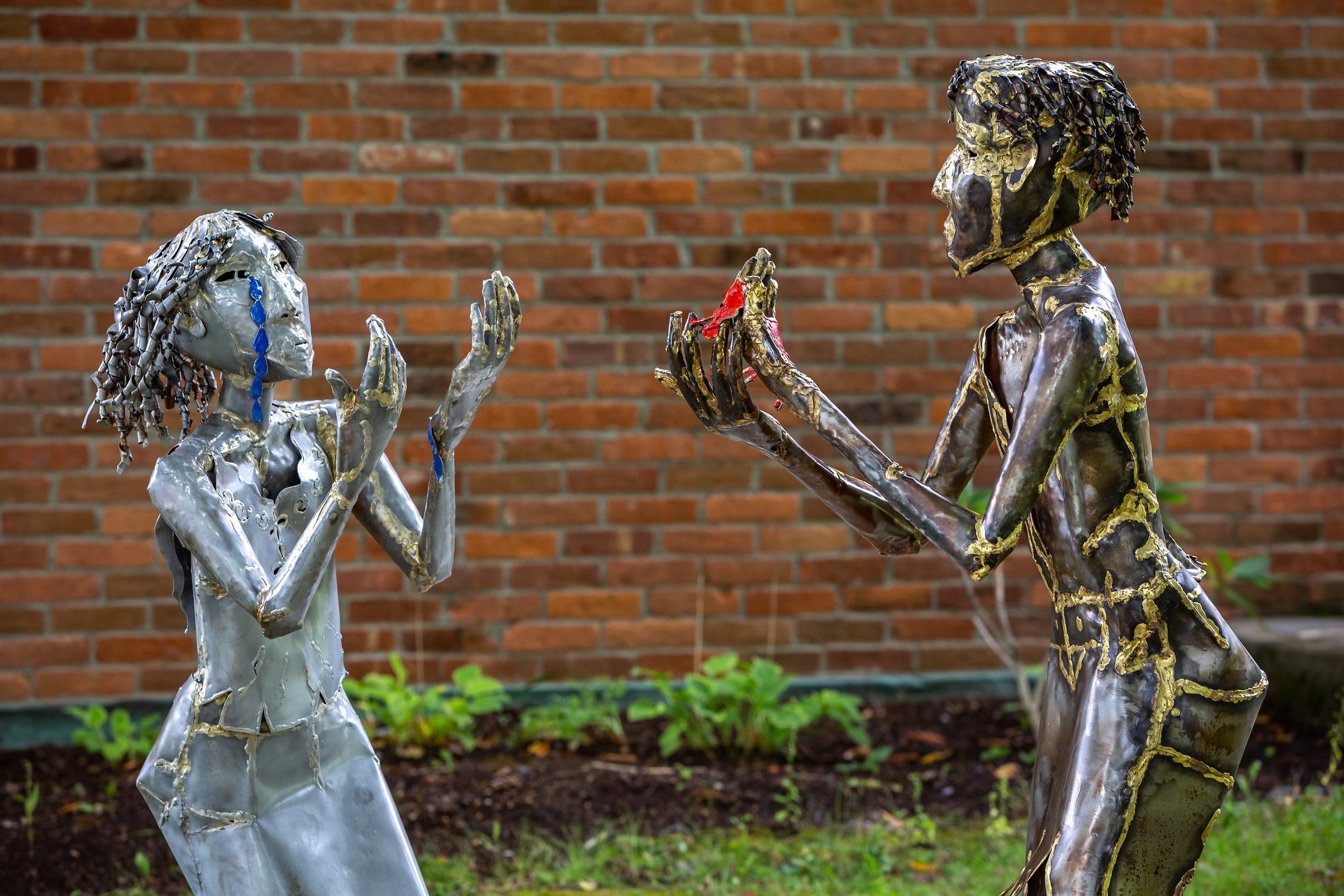
The tragedy was compounded as Clytemnestra was in her turn murdered by her children: Electra, her daughter and Orestes, her son.
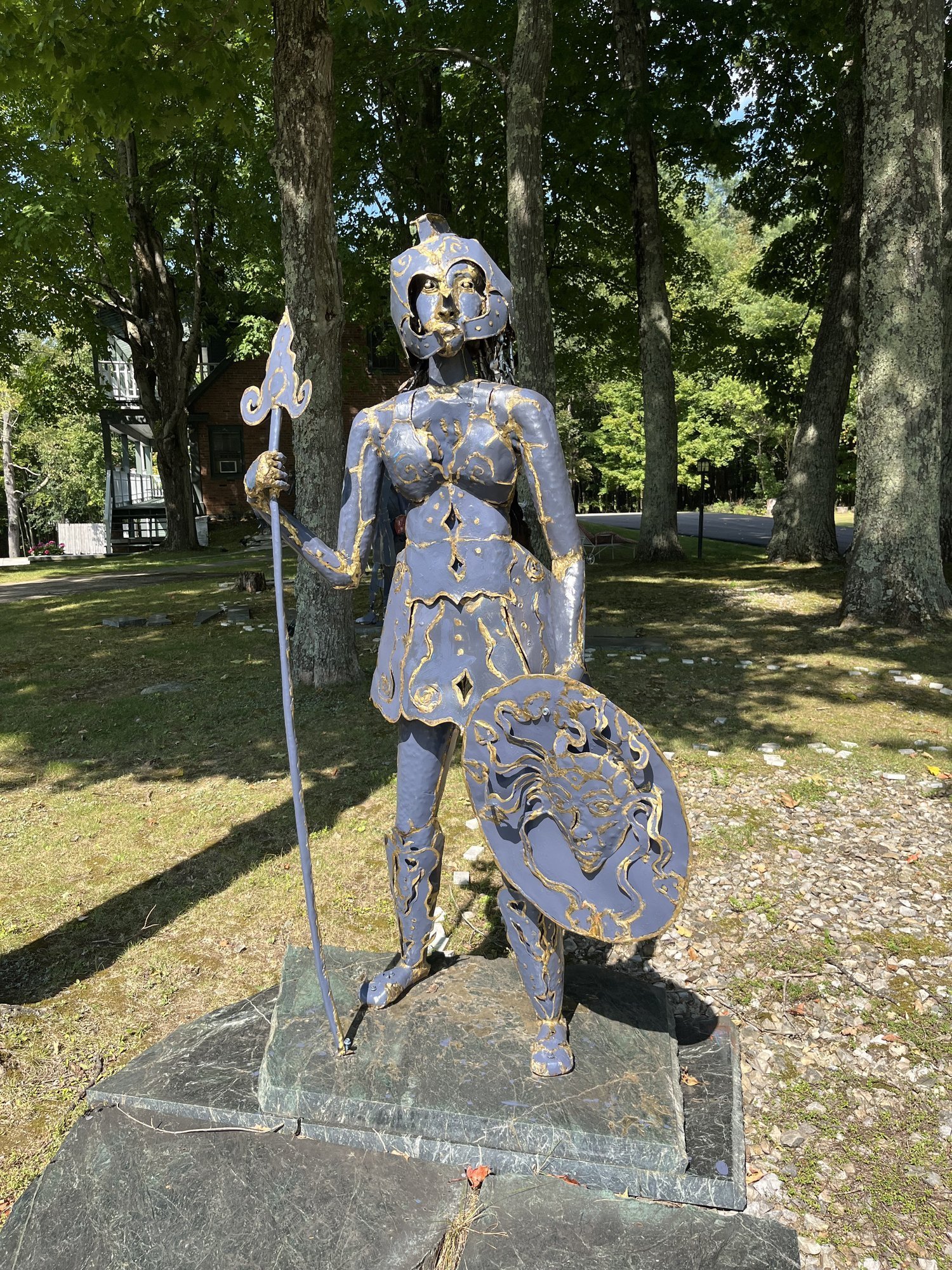
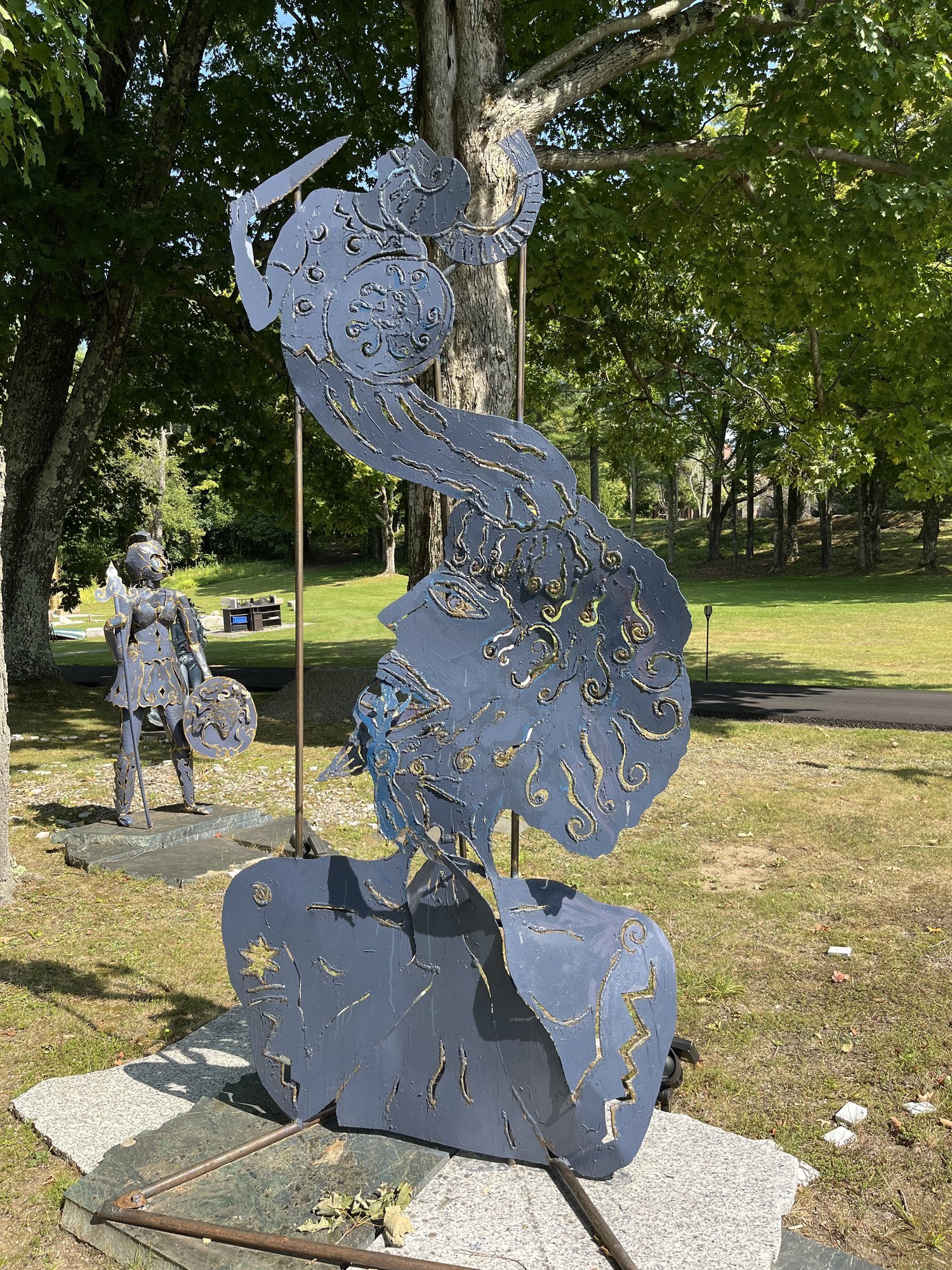
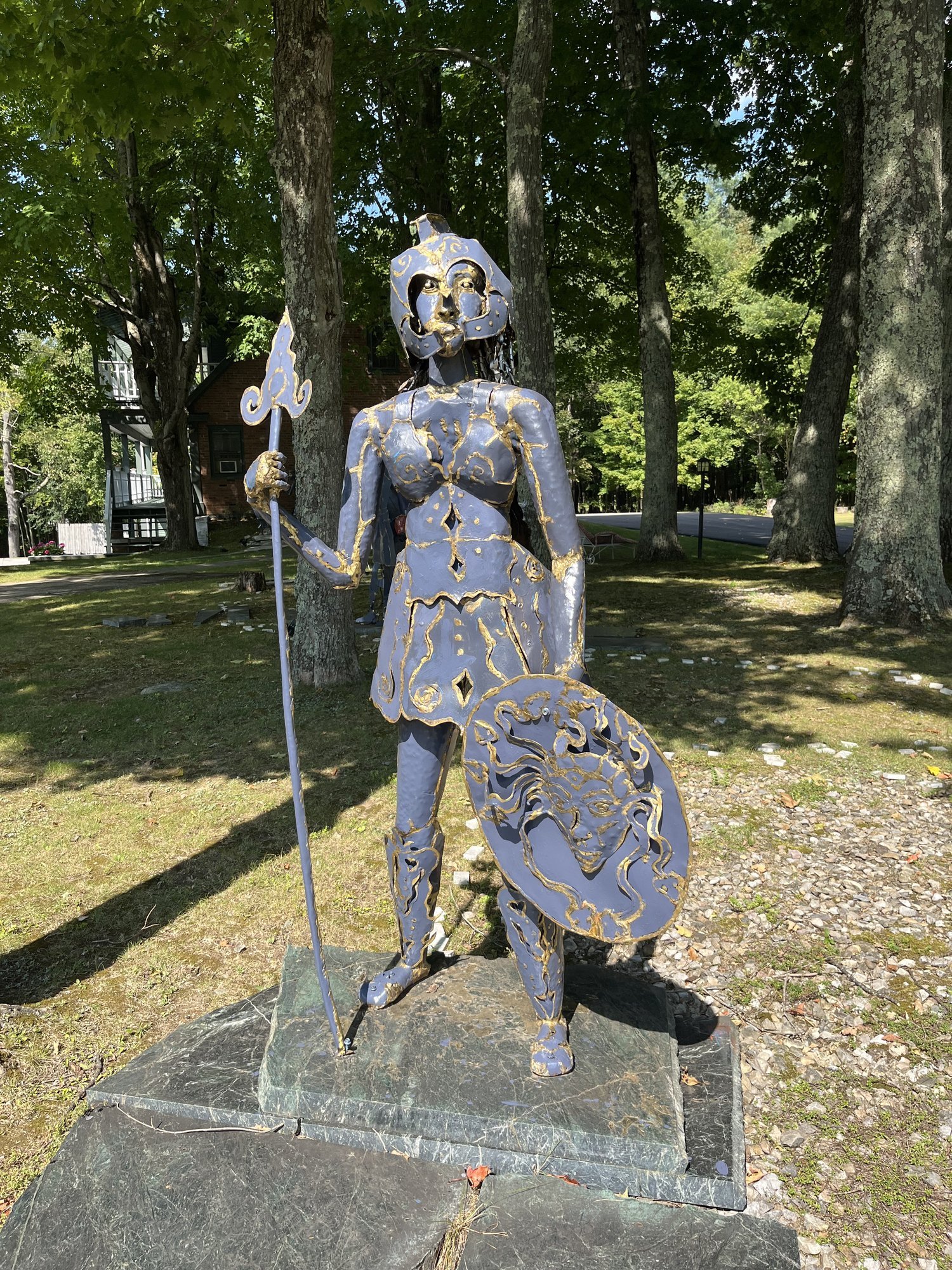
Athena is presented in her identity as prepared for a fight defending virginity; She has a shield portraying the head of Medusa. She is presented as the woman who is wise empowered. She stays a virgin afraid of having a child.
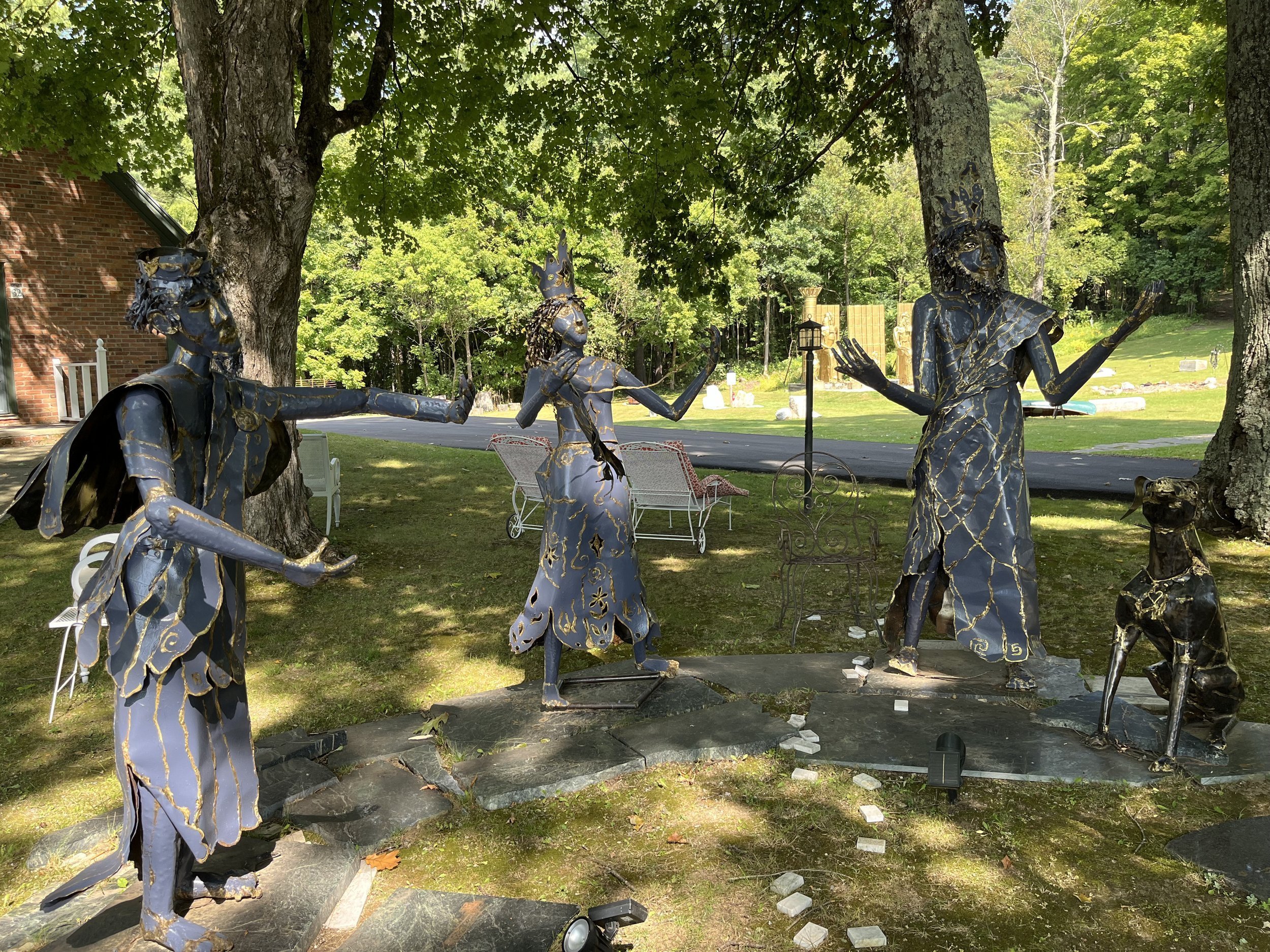
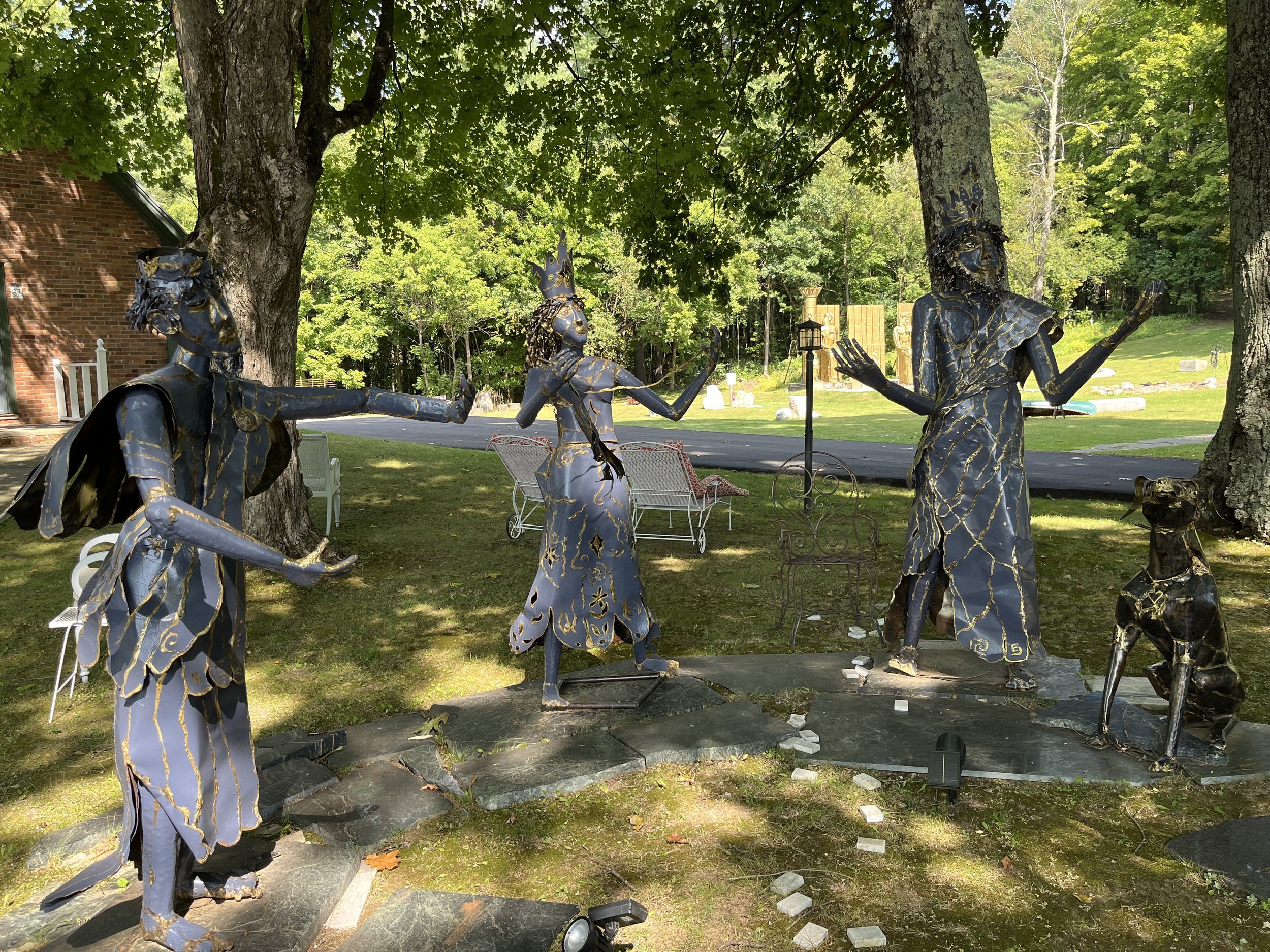
The Homecoming: Telemachus, Penelope, Odysseus, and Argos, the dog
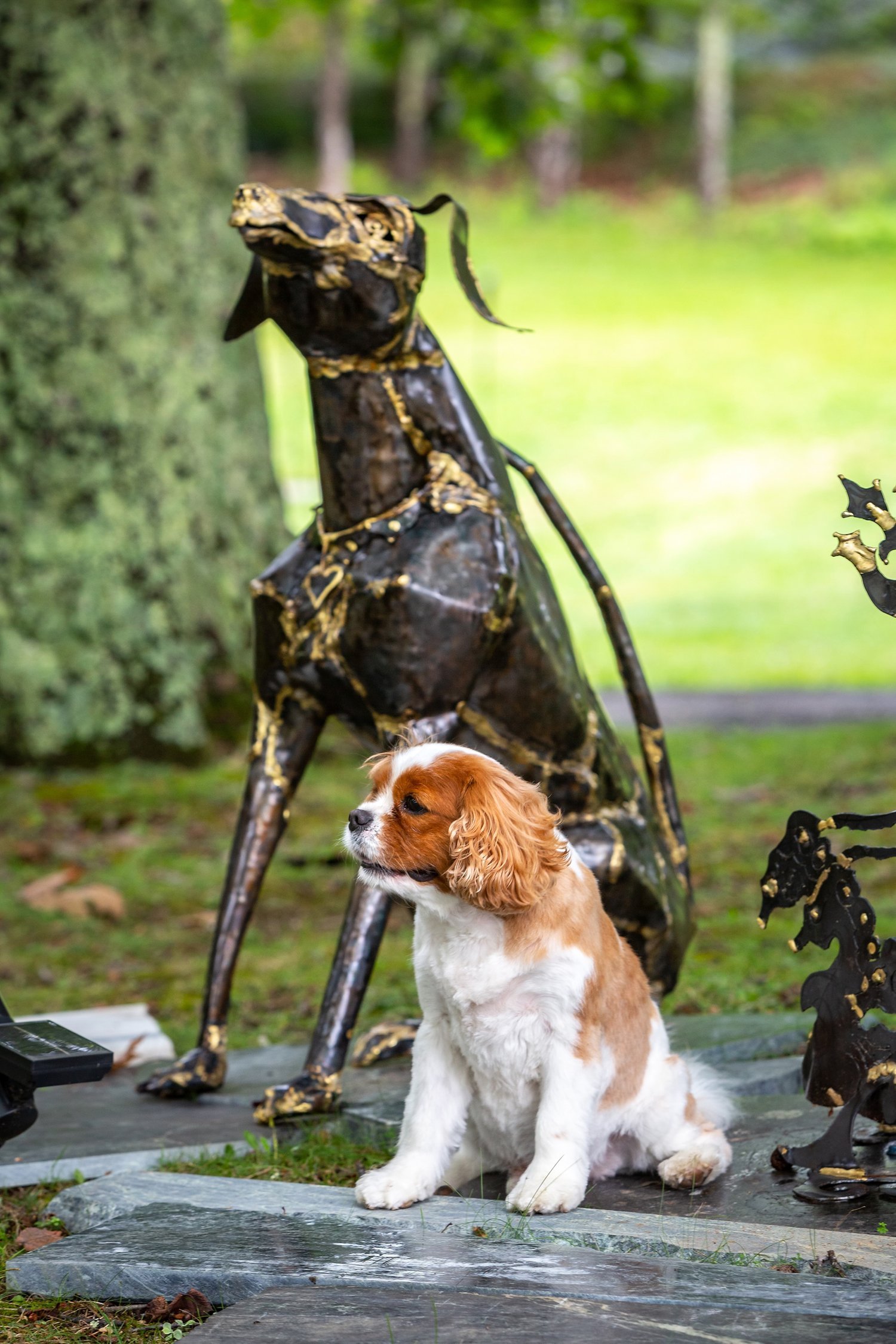
This installation celebrates Odysseus' homecoming; he is welcomed by Penelope, his faithful wife, respectful son, Telemachus, and his loyal dog Argos.
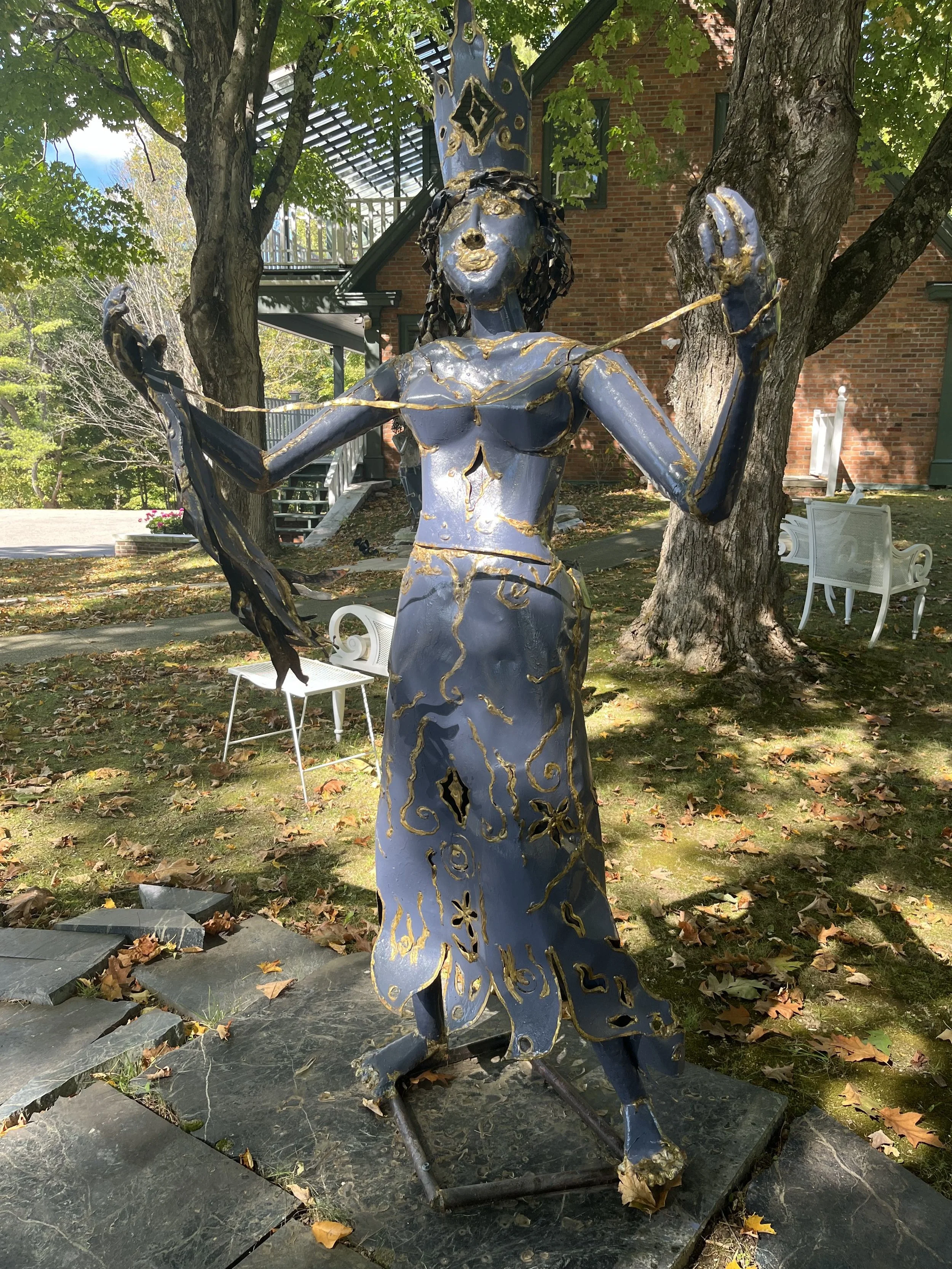
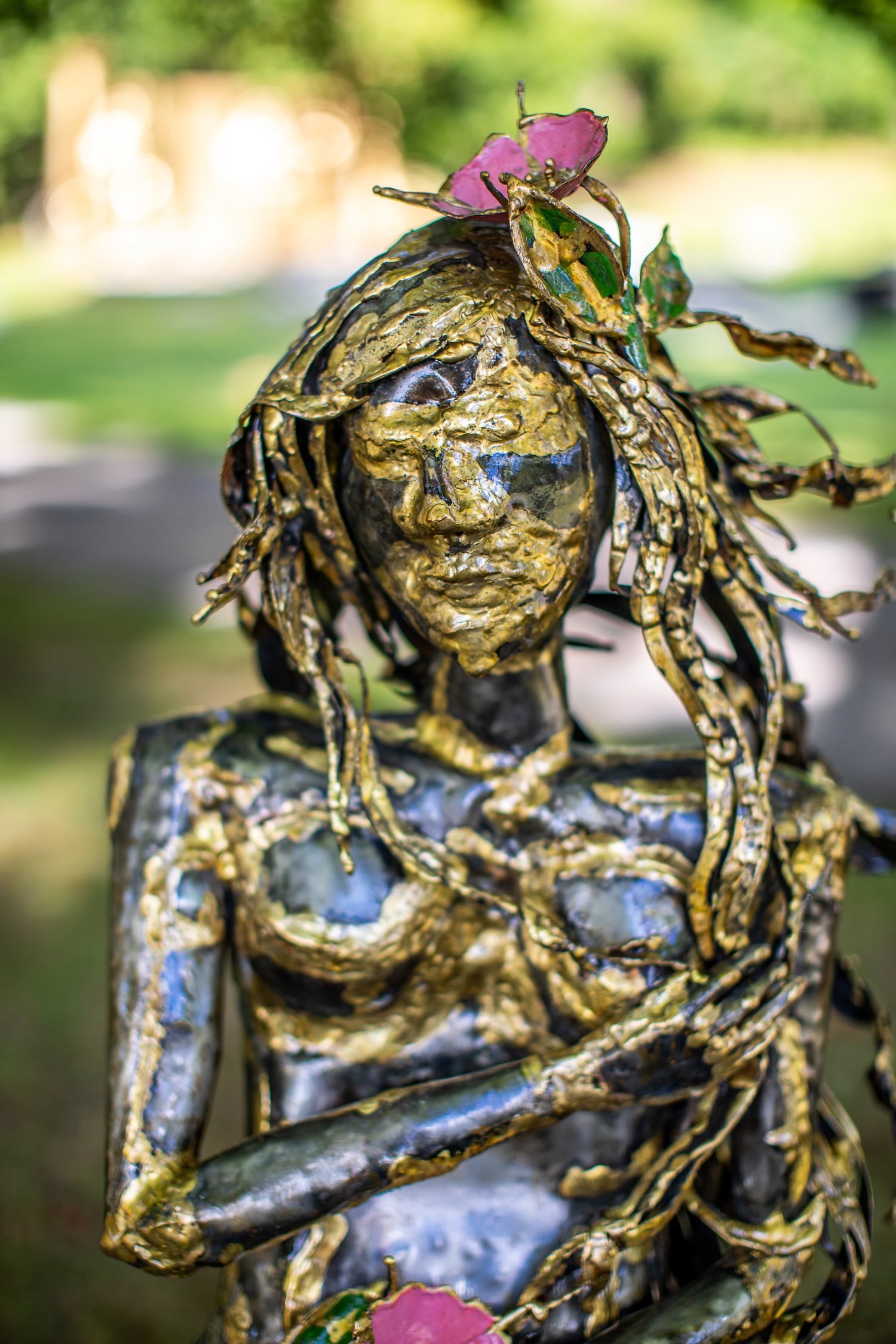
Penelope weaving a shroud
She kept the suitors at bay telling them that she had to finish the shroud before marrying any one of them. She unravelled it at night.
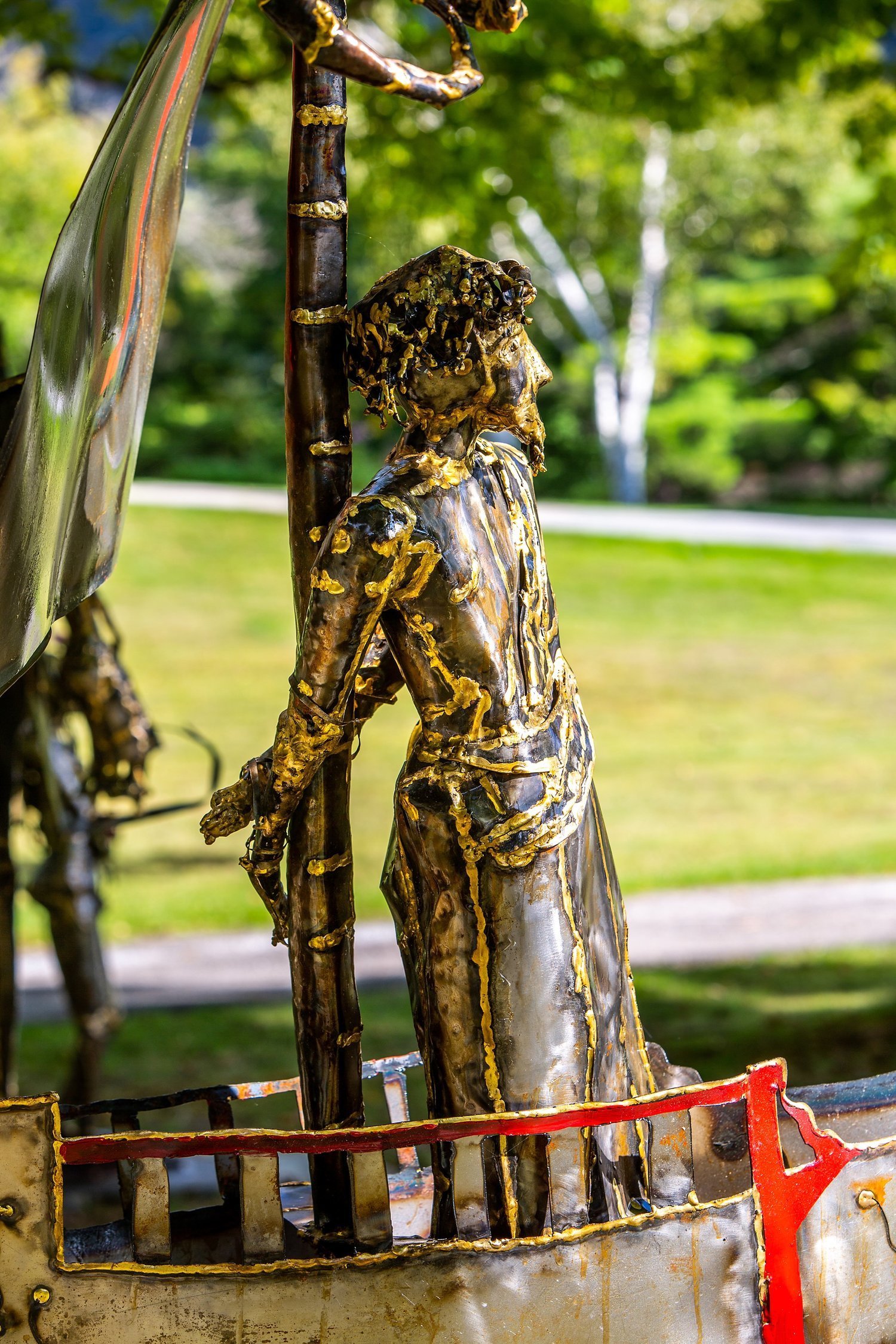
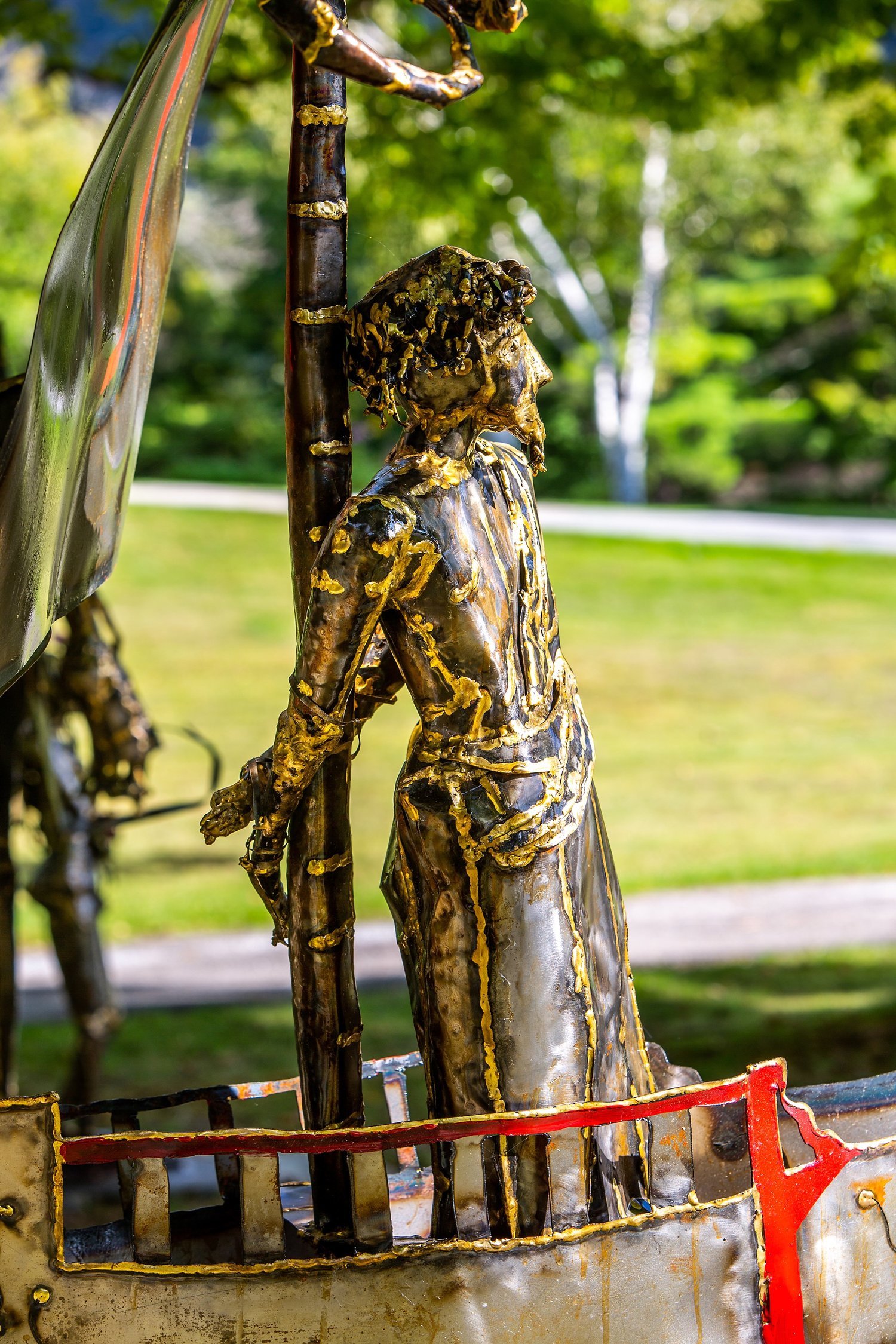
Odysseus tied to the mast of his boat.
The Odyssey, unlike the Iliad, has a happy ending. Odysseus stays faithful to Penelope, tying himself to the mast and resisting the temptation of the sirens. Penelope like Athena guards her virginity weaving a shroud. The message for the culture is women persevering, respecting the concept of the vows, as fidelity, loyalty to their husbands
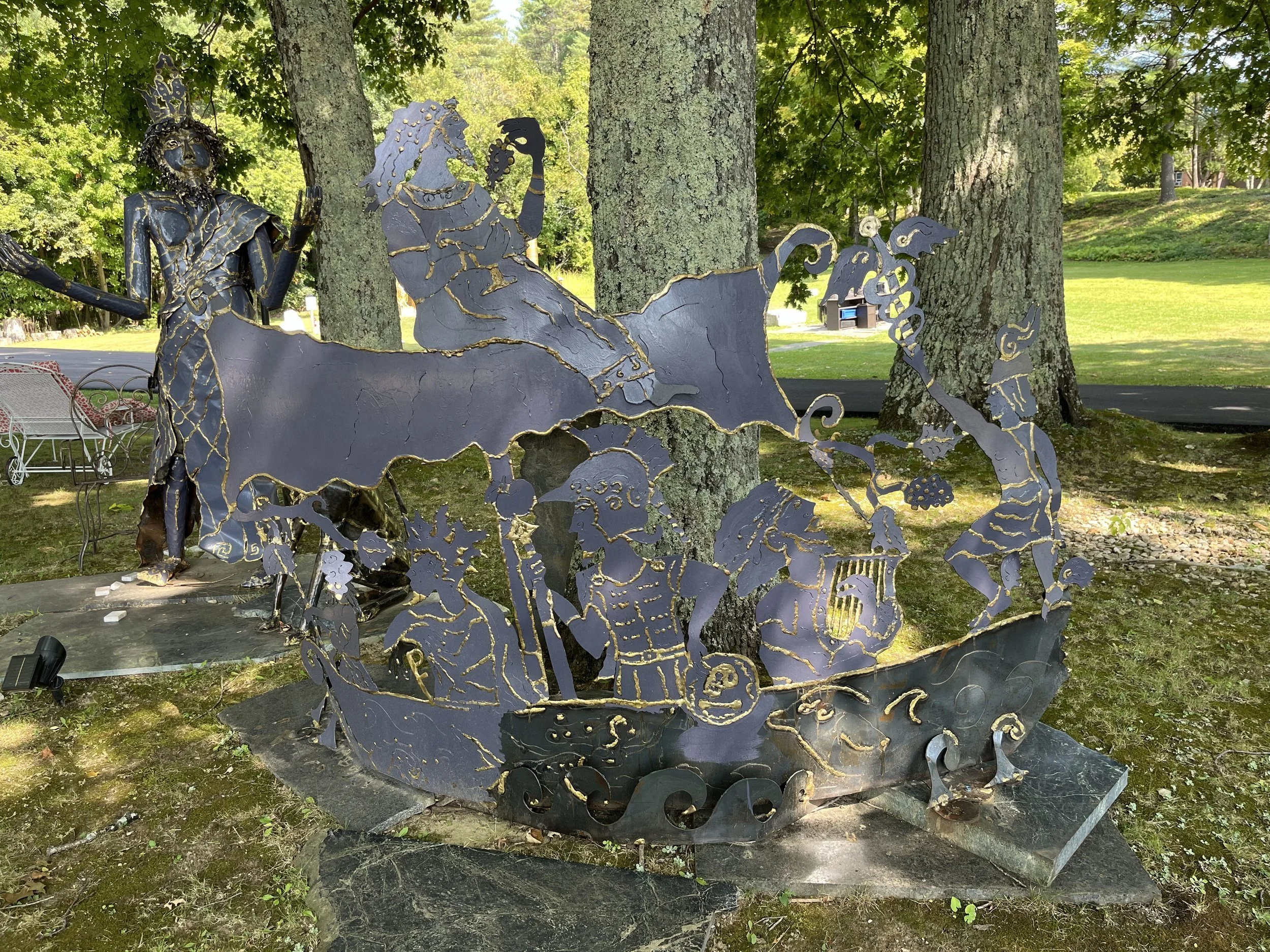
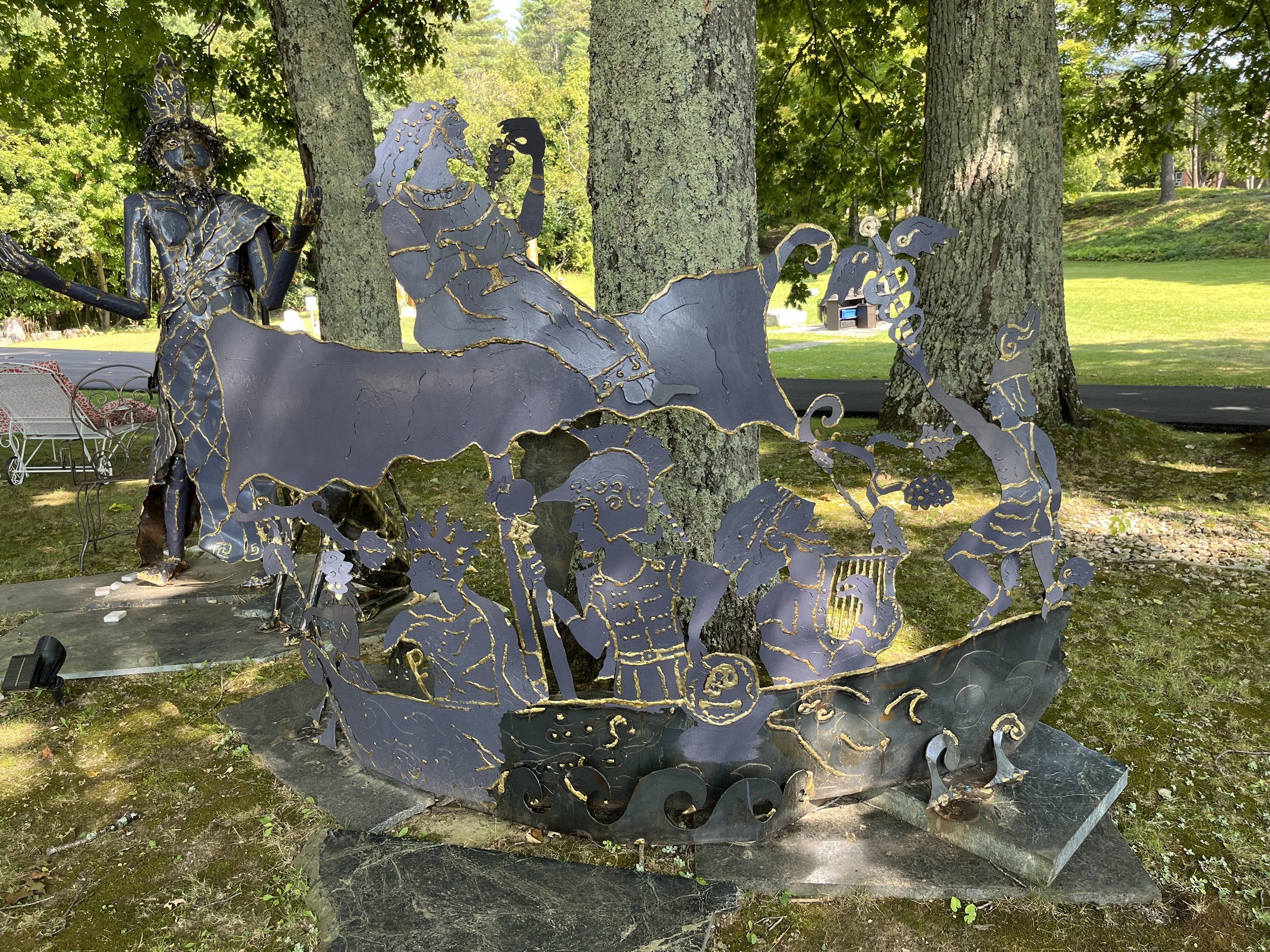
The Greek Gods Arriving to Celebrate the Vows
A boat of Olympian gods brings presents to the couple celebrating the vows as the key to resolving marital conflicts.


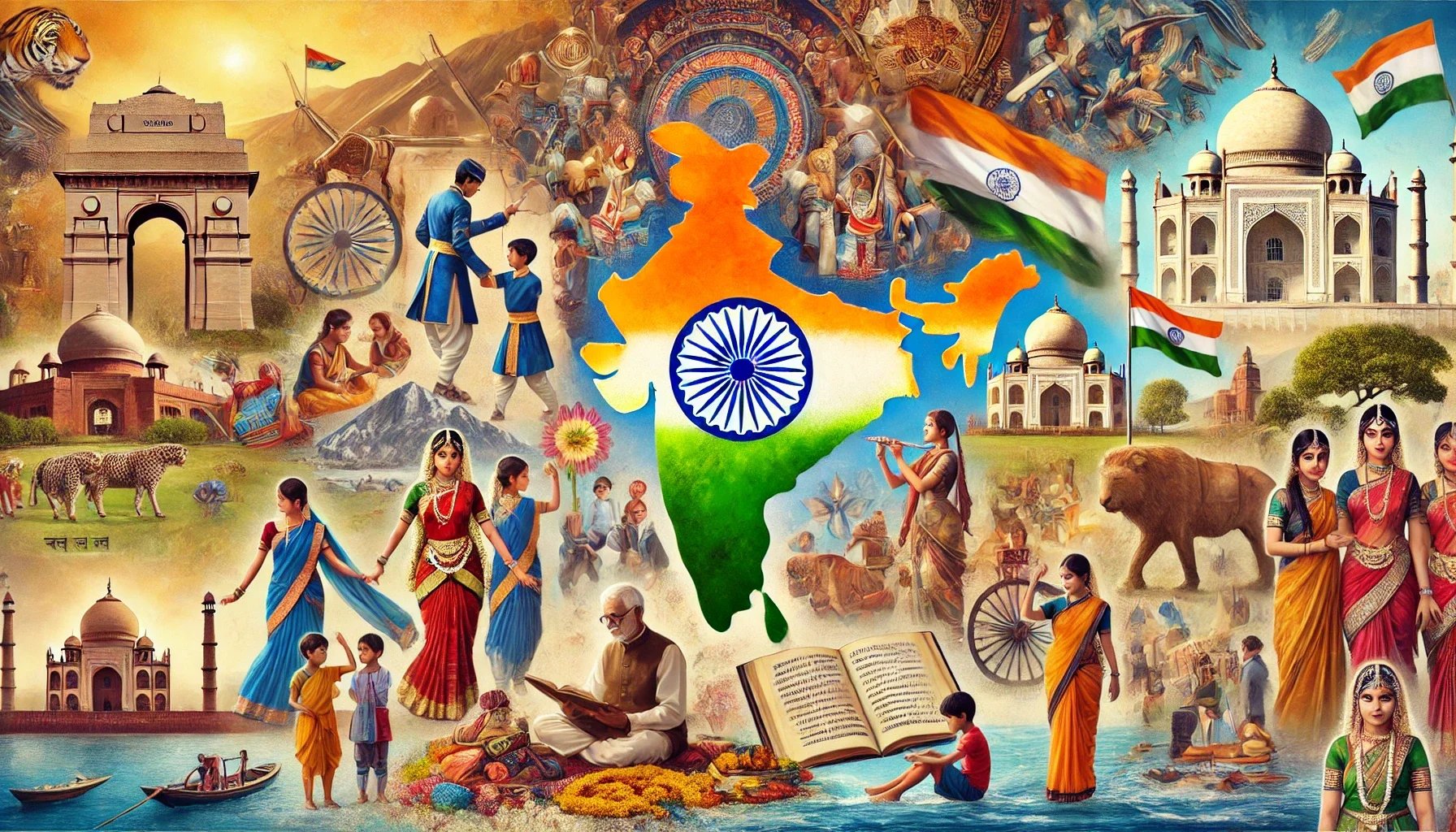
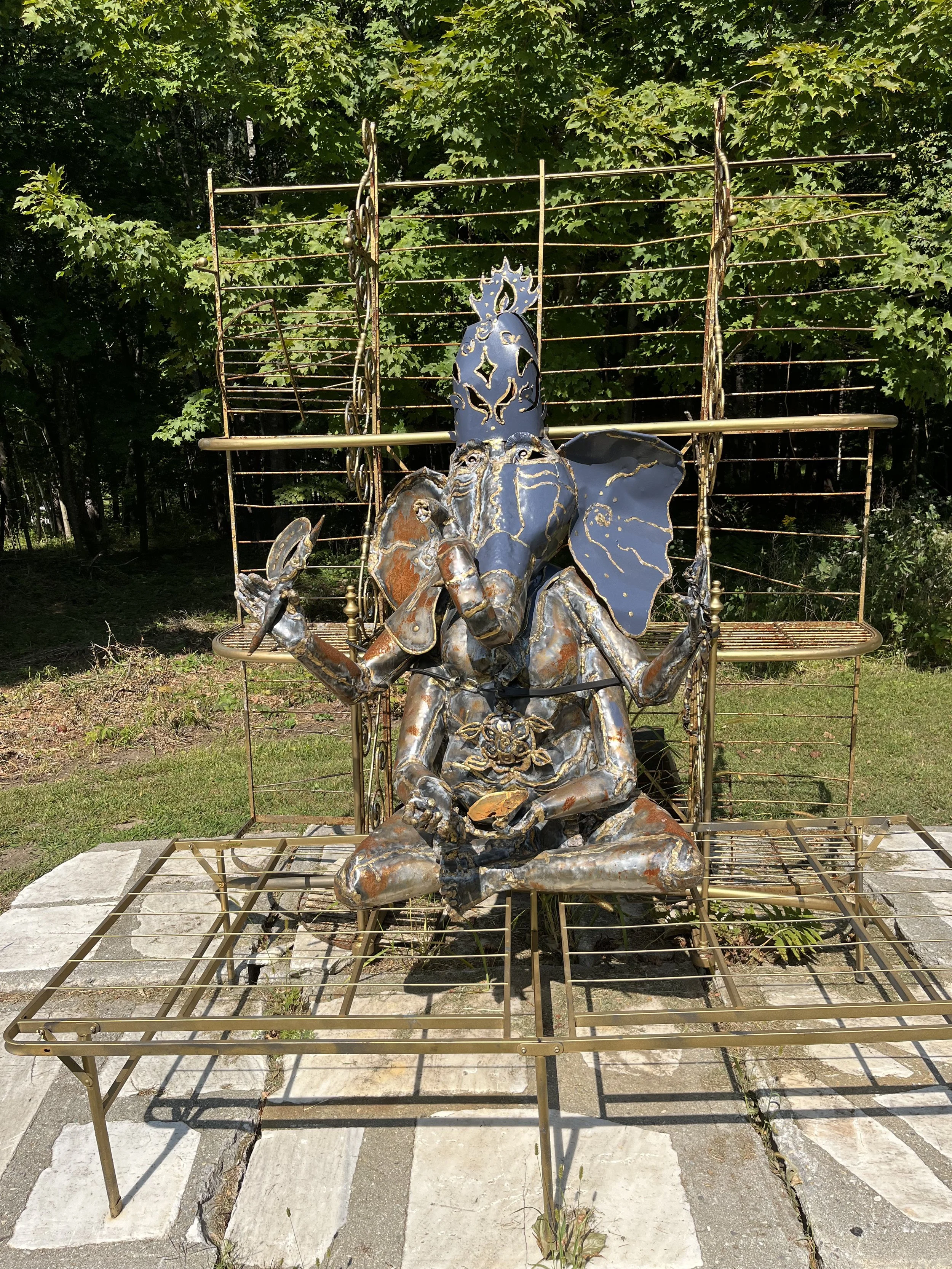
Shiva decapitated his child, Ganesha. In response to Kali’s objection, he restored his with the head of an elephant. This act shows transforming antagonism to cooperation, dominance to submissiveness, and alienation to mutual respect. These are the principles of Asceticism..

Shiva is shown balancing himself on a child, interpreted as his inner child. This symbolizes his ability to control his desires. The inner child appears calm and unstressed, accepting its role as a cog in the wheel of a cooperative society.
Submissive Cooperative:
Chooses harmony over dominance. Seeks to resolve conflict through understanding, accommodation, and empathy, even at the expense of personal preference.

Kalli is depicted as a woman rising to power, symbolized by the sacred cow and the moon goddess. She is powerful and dominates men. Here, she appears as three immense wheels, waxing and waning like the lunar cycle. Each wheel has three axes, corresponding to Kalli’s three sets of arms.

Paradigm Shift: Greek metaphor of three images of the Prometheous story: Prometheous stealing the fire of the gods.
Pandora’s box as a uterus, kangaroo pouch generating four types of children, will they love you or kill you?
Atlas raising the Greek Mezuzah, spelling the name of God with formulas of science.
Morality is an innate, scientific conflict-resolution mechanism, catharsis. It has inspired all religions.
Dominant Cooperative:
Takes active leadership in resolving conflict. Uses power constructively to guide, mediate, or uplift others—assertive yet oriented toward mutual benefit.
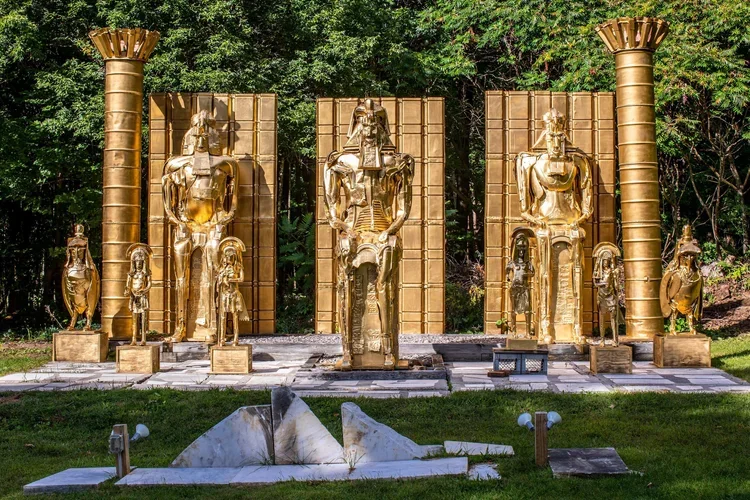
The Abrahamic Family
Three patriarchs, four Matriarchs, two Horus figures as the concubines.
Mothers celebrating the father-son covenant. Jewish people do not spell the name of “G-d”.